
A persistent cold spell grips southwestern Ontario while municipalities grapple with a road salt scarcity, prompting a fresh exploration of alternative ice-melting methods. Researchers at Western University launched a study in 2022 to investigate this issue, with findings expected to be unveiled later this summer.
The study is investigating nine different substances to assess their efficacy in melting road ice across various conditions. Christopher Power, an associate professor involved in the research, highlighted the prevalent use of sodium chloride (rock salt) by Ontario municipalities due to its affordability and accessibility.
While rock salt effectively clears ice by lowering water’s freezing point, it also poses drawbacks. Its corrosive nature can deteriorate metal structures like bridges and vehicles, and its environmental impact includes salinization of water bodies. Power emphasized the importance of exploring alternatives, as rock salt’s effectiveness diminishes significantly below -10°C.
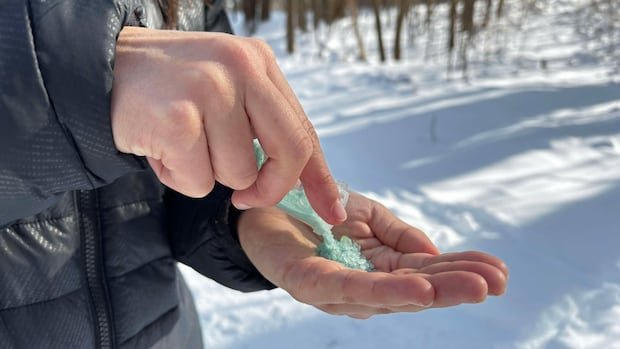
Among the substances under scrutiny at Western University are sodium acetate and beet juice, already utilized in various ice-melting applications. The study involved practical testing on the university campus, with the research team now focused on analyzing data related to melting efficiency and corrosiveness of each substance.
Despite no definitive frontrunner emerging yet, Power acknowledged economic factors would influence widespread adoption of any alternative to rock salt. He suggested a targeted approach to ice treatment, supplementing sodium chloride with less harmful substances near sensitive areas like bodies of water or bridges.
Amidst the current road salt shortage, the City of London is diversifying its winter road maintenance strategies by incorporating different substances into the mix and increasing plowing frequency while reducing salt usage during severe cold snaps. Joel Gillard, London’s road operations division manager, emphasized the need for adaptable strategies given salt’s limitations in extreme temperatures.