
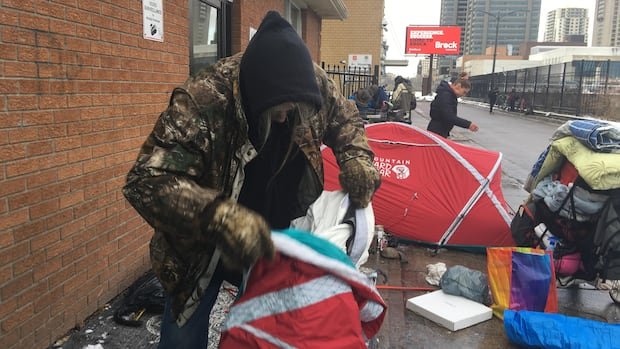

A recent report by Ontario’s municipalities reveals a concerning rise in homelessness in the region, with an estimated 85,000 individuals lacking stable housing in 2025. The report highlights the existence of nearly 2,000 encampments spread across the province, with over half of the homeless population experiencing extended periods of homelessness lasting six months or more.
Of particular concern is the situation of approximately 20,000 homeless children and youth in Ontario, with data indicating that the issue is predominantly escalating in northern and rural areas. Lindsay Jones, the executive director of AMO, expressed alarm at the current state of affairs, attributing it to historical underinvestment in crucial social support systems like income security, mental health services, addiction treatment, and affordable housing.
According to the report, projections suggest a further deterioration in the homelessness crisis, with an estimated 177,000 individuals expected to be homeless by 2035 under stable economic conditions. However, in the event of an economic downturn, exacerbated by factors such as the ongoing trade disputes with the United States, the number of homeless individuals could surge to nearly 300,000 by the same year.
The study, following up on a previous comprehensive assessment, reveals a 7.8% increase in homelessness from the previous year, with a notable spike in homelessness post-COVID-19 pandemic. Notably, the report underscores the disproportionate rise in homelessness in northern and rural Ontario, with a 37% increase in the former and a 31% increase in predominantly rural communities.
Indigenous homelessness is a significant aspect of the issue, as highlighted by a 25% rise in Indigenous homelessness. The data indicates a substantial increase in the number of Indigenous individuals without homes, reaching 11,000 in 2025 compared to 6,100 in 2021.
Encampments in Ontario continue to proliferate, with nearly 2,000 such sites identified. The report emphasizes a shift in the nature of these encampments towards smaller clusters accommodating six to ten individuals, reflecting a concerning trend in addressing the root causes of homelessness.
While public funding for housing and homelessness services has increased, it has not kept pace with the escalating crisis. The report emphasizes the need for an additional $11 billion over the next decade to effectively combat homelessness, stressing the necessity for increased investments in affordable housing, emergency shelters, and mental health and addiction support services. Despite a notable increase in emergency shelter funding, a decline in community housing funding poses a significant challenge in addressing the overarching issue of homelessness effectively.