
Nova Scotia faces new climate change risks, according to a recent report from the provincial government. The updated climate change risk assessment, following the initial 2022 release, analyzes potential challenges and benefits for the province in the coming decades based on the latest climate data. In addition to existing threats like heat waves and mosquito-borne diseases, the report highlights a new concern for the 2050s: diminished water quality due to heavier rainfall and warmer temperatures.
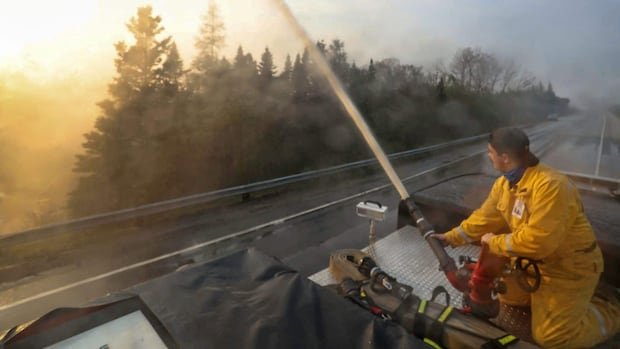
The impact of climate change became evident during Nova Scotia’s hot and dry summer and fall, leading to drought conditions, heightened wildfire risks, and challenges for firefighting efforts. The 2022 risk assessment predicted a shift towards more rain and less snow in the future. The report also mentions additional risks, such as concerns about water quality, high winds causing infrastructure damage, inland and coastal flooding, increased pest and disease threats to agriculture, and heightened wildfire potential.
To address these risks, the report categorizes climate challenges into disaster resilience, human health, environment, infrastructure, and economy and workers, providing a framework for targeted adaptation strategies. Notably, the assessment identifies six counties – Cape Breton, Colchester, Cumberland, Halifax, Hants, and Pictou – as facing higher climate risks in the 2050s due to various contributing factors. Some counties, like Cape Breton and Halifax, have more vulnerable populations and infrastructure, while others may experience greater climate change impacts.
Conversely, counties like Hants, Annapolis, Guysborough, Kings, and Queens could potentially benefit from climate change, enjoying extended tourism seasons, enhanced food production, reduced heating demands, and minimized infrastructure damage from freeze-thaw cycles. The next risk assessment is scheduled for 2030, aligning with the province’s goal to generate 80% of electricity from renewable sources and phase out coal-fired power plants by the same year.