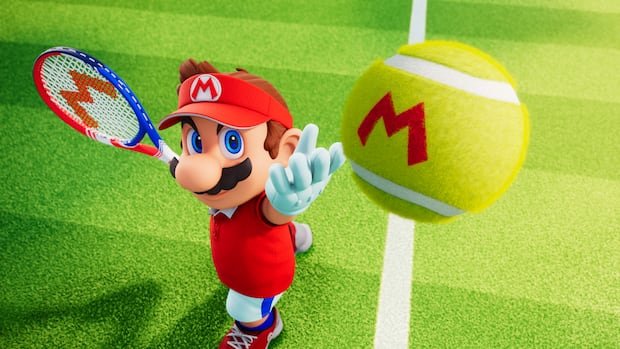

Enthusiasm for the latest installment of the Mario Tennis series, called Mario Tennis Fever, may vary based on players’ familiarity with past entries in the long-standing sports franchise. Developed by Japanese studio Camelot and released on the Switch 2, this ninth iteration continues Mario’s tennis legacy that dates back to 2000. While the game offers exciting tennis matches with a wide range of options and fantastical elements, some longtime fans may find the single-player Adventure mode lacking.
Mario Tennis Fever introduces accessible gameplay suitable for players of all skill levels. Featuring characters from the Mario universe, players can engage in singles or doubles matches on vibrant courts that capture the essence of classic Mario games. Each character possesses unique traits, such as speed, power, or technical skills, adding variety to the gameplay experience.
The game’s standout feature is the inclusion of Fever rackets, which can unleash special shots during gameplay. These shots create various effects on the court, from setting it on fire to speeding up player movement or introducing additional elements like clones. Matches often revolve around strategically utilizing these powerful shots while countering opponents’ moves.
In addition to standard gameplay, Mario Tennis Fever offers Mix It Up modes that provide unique twists to the tennis experience. Players can engage in modes like a pinball table where bumpers disrupt gameplay or a Wonder mode that introduces surreal elements inspired by the Super Mario franchise. For a more casual experience, Swing mode allows players to use Joy-Con controllers as virtual rackets, reminiscent of past gaming experiences.
The game’s single-player Adventure mode features a quirky storyline involving Princess Daisy’s illness and Mario and Luigi transforming into babies to combat monsters. While the mode includes mini-games and tutorials, its short duration and repetitive nature may leave players wanting more substantial content.
Overall, Mario Tennis Fever delivers solid gameplay that shines in local multiplayer settings but may fall short in terms of single-player depth and variety in game modes. Despite its higher price point on the Switch 2, the game’s nostalgic charm and engaging mechanics make it a noteworthy addition to the console’s library.