
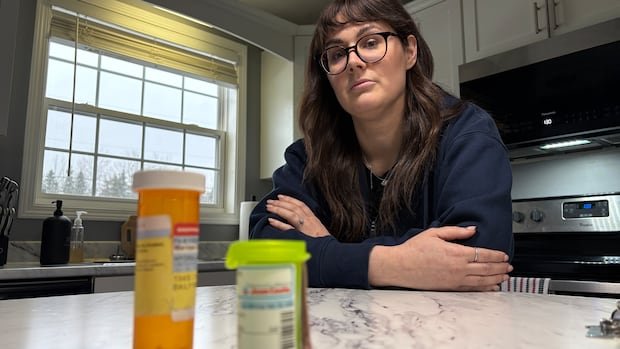

Marissa Dawson’s routine pharmacy pickup turned into a lengthy ordeal, culminating in an emergency room visit and revealing vulnerabilities in patient safety measures. The 35-year-old mother from Moncton, N.B., was prescribed hydroxyzine for chronic eczema in October 2024 but received hydralazine, a medication for lowering blood pressure, from a Shoppers Drug Mart pharmacy.
Experiencing adverse effects instead of allergy relief, Dawson’s symptoms worsened over months until she ended up in the emergency room in April. There, a nurse discovered the medication mix-up, causing Dawson to reflect on the potential dangers, especially for children.
Like Dawson, many Canadians face medication errors, despite safety protocols in place. The “Swiss cheese model” of medication safety aims to catch such errors, but failures can lead to dire consequences for patients.
The scope of these mistakes is vast, with over 800 million prescriptions dispensed annually in Canada. However, the reported number of errors does not paint a complete picture due to underreporting in the National Incident Data Repository for Community Pharmacies database.
Melissa Sheldrick, a prominent advocate for medication safety, highlighted the tragic impact of medication errors, citing the death of her son in 2016 due to a pharmacy mix-up. Sheldrick emphasized the need for robust systems to prevent errors from reaching patients.
Dawson’s complaint to the New Brunswick College of Pharmacists revealed the root causes of the mix-up, including a drug name confusion and staff fatigue. The pharmacy took corrective actions, emphasizing the importance of counseling for new prescriptions. Loblaw, the parent company of Shoppers Drug Mart, acknowledged the human error and implemented measures to enhance patient safety.
With the healthcare landscape evolving and becoming more complex, Sheldrick underlined the importance of tracking errors and near-misses to improve safety standards across provinces. Collaboration and technology enhancements are crucial to preventing medication errors and ensuring patient well-being.
To enhance safety, patients are advised to seek counseling when receiving new medications, verify prescriptions before leaving the pharmacy, and maintain an updated medication list. Dawson’s experience has instilled in her a vigilant approach to prescription pickups to safeguard against future errors.