
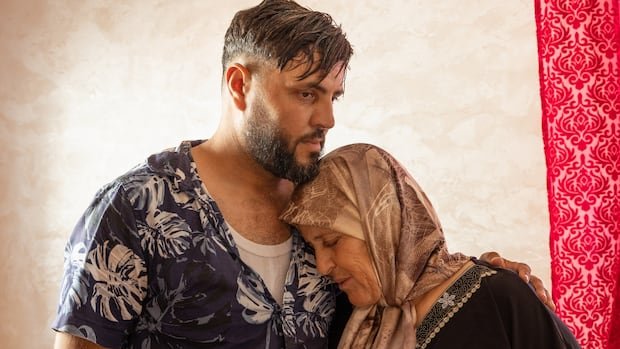

Jamila Afelom shared the heartbreaking tale of identifying her daughter, Fatin Ben Homar Azizi’s body solely by a necklace she had given her before her departure. Afelom discovered her daughter’s body in a hospital following Fatin’s attempt to swim from Morocco to the Spanish enclave of Ceuta. Recalling the tragic events of late July, Afelom expressed the profound impact of the loss and the shock she experienced.
Describing her daughter as bold, determined, and somewhat tomboyish, Afelom painted a picture of Fatin’s adventurous spirit. Fatin’s passion for soccer was evident, with Coach Adel El Kaab reminiscing about her as a younger sister figure. Despite warnings about the perils of irregular migration routes, many of the girls El Kaab coached, including Fatin, sought a better future in Europe.
As a single mother working in a Tetouan cemetery, Afelom and Fatin supported their family together. Tragedy struck early in Fatin’s life when her father passed away, leaving Afelom to care for four children. Facing economic hardship and limited opportunities, Fatin expressed her desire to escape poverty by seeking a brighter future in Europe, despite her mother’s attempts to dissuade her.
The surge of migrants at the border between Fnideq and Ceuta drew Fatin and her siblings to seek new opportunities. Despite initial hesitation, Fatin ultimately decided to cross into Ceuta, reassuring her worried mother. Tragically, it was the last communication Afelom had with her daughter before the devastating news of Fatin’s death.
The search for Fatin’s body led her family on a heartbreaking journey, culminating in the discovery at a Fnideq hospital. The Moroccan human rights organization AMDH reported numerous fatalities in similar migration attempts, emphasizing the need for identification and dignified burials for the deceased. Fatin’s burial marked the end of a young life filled with aspirations of a better future.
Reflecting on the challenges faced by young Moroccans, including high unemployment rates and economic difficulties, Coach El Kaab highlighted the allure of migration as an escape. The dreams of a better life in Europe often overshadow the dangers and uncertainties that lie ahead for many aspiring migrants.
Amidst the tragedy, Afelom’s anguish over her surviving children’s uncertain fate in Ceuta remains a constant worry. The plight of minors stranded in Ceuta adds to Afelom’s distress, with her daughter’s unfulfilled dream of lifting her family out of poverty lingering as a poignant reminder of lost possibilities.