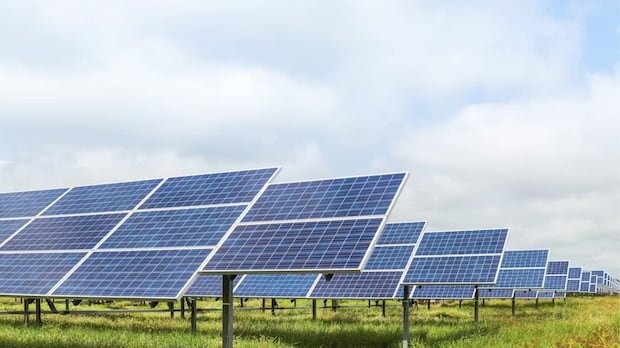

The city of Medicine Hat in southeastern Alberta, known for its gas wells, has approved the construction of a significant urban solar project contingent on finding a buyer for the energy it generates. City officials unanimously supported funding the $131.5 million Saamis Solar Park project to attract new business, achieve carbon levy savings, and prolong the lifespan of gas-fired turbines.
Mayor Linnsie Clark emphasized the potential for spurring new investments in the city as a key driver behind the decision. The initial phase of the project, a 75-megawatt solar farm, will be developed by the City of Medicine Hat with the possibility of future expansions up to 325 megawatts.
The completion of the Saamis Solar Park could eventually meet the city’s entire electricity demand and offer a renewable energy source amid declining gas fields and fluctuating power revenues. However, construction will only commence once a purchasing agreement with a business is finalized, ensuring immediate demand for the generated renewable energy.
The project, which aims to offset utility costs, will require approval from Alberta’s energy regulator to amend the original plan proposed by private firm DP Energy. The city plans to cover the construction costs through a combination of funds from the Energy Transition Reserve and additional debt, with hopes of securing federal grants to offset up to 30% of the total expenses.
If the pre-requisites are met, the city anticipates the Saamis Solar Park to be operational by 2028. This strategic shift towards solar energy marks a significant departure for Medicine Hat, traditionally recognized as the “Gas City” due to its historical reliance on gas resources for municipal revenue.
Despite facing opposition from residents concerned about potential cost implications, city officials assure that the solar project will not impact property taxes or utility bills. The focus remains on the economic benefits and profitability of the venture rather than solely on environmental considerations.
Energy staff and council members stress that the decision to pursue solar energy is driven by its financial viability rather than a strictly ideological stance on renewables. The increasing affordability of solar technology over the years has made projects like the Saamis Solar Park economically attractive for the city.
Acknowledging the importance of balancing economic interests with environmental concerns, city officials are optimistic about the commercial potential of the solar initiative and the opportunities it presents in diversifying Medicine Hat’s energy portfolio.