
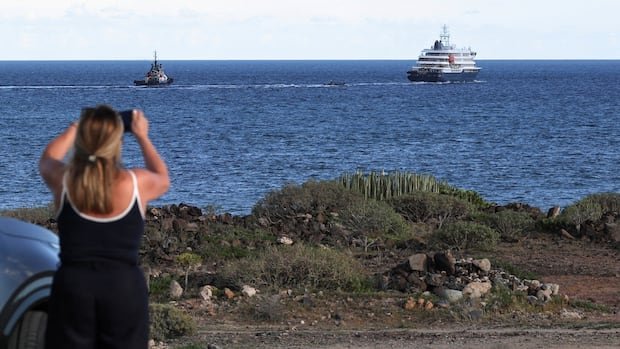

Passengers who were aboard a luxury cruise ship affected by a hantavirus outbreak have returned to their respective countries. The MV Hondius, the ship where the rare hantavirus outbreak occurred, docked in Spain’s Canary Islands. Canadian citizens among the passengers are self-isolating in British Columbia. Additionally, individuals from Ontario, Alberta, and Quebec who had possible hantavirus contact are also following self-isolation protocols. As of now, no Canadians have shown symptoms or been tested for the virus.
The most common hantavirus strain in Canada is the Sin Nombre virus. Dr. David Safronetz, chief of special pathogens at Canada’s National Microbiology Laboratory, explained that the Andes strain is not prevalent in Canada due to the absence of rodent reservoirs. The Sin Nombre strain, which does not spread between humans, causes severe respiratory illness.
Hantavirus in Canada is primarily carried by rodents like the deer mouse, white-footed mouse, and red-backed vole, commonly found in rural areas. Health experts advise caution when dealing with rodent droppings to prevent infection. The spread of hantavirus among humans is limited, mainly occurring through close and prolonged contact.
Infected individuals may spread hantavirus through activities like speaking, coughing, or sharing oral secretions. Asymptomatic cases may pose a low risk of transmission, with the virus being most contagious when symptoms start to appear. Testing for hantavirus is not conducted on asymptomatic individuals in Canada, while some countries adopt a case-by-case testing approach.
Pets such as rodents can carry hantavirus, but there is no evidence that cats or dogs can contract or transmit the virus to humans. However, caution is advised for pet owners whose animals hunt rodents. Proper disposal of rodents is recommended to minimize the risk of exposure to hantavirus.