
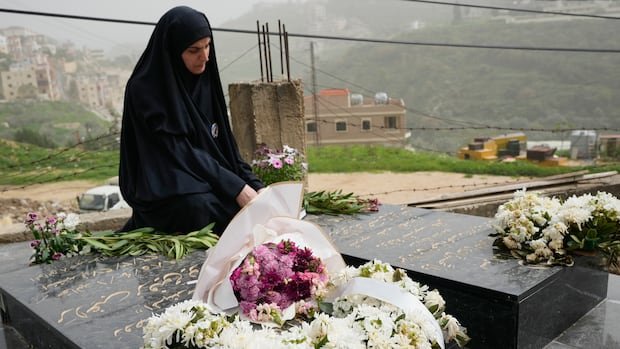

Jawad Younes, an 11-year-old boy, was playing soccer with his cousins in the space between their residences, a common pastime for them. After Jawad’s four-year-old brother, Mehdi, grew tired and was taken home by Jawad to their mother, Jawad resumed playing. Shortly afterward, an Israeli airstrike hit the target, which was Jawad’s uncle’s house. The explosion not only shook neighboring buildings but also caused Jawad’s siblings at home to fall to the ground. While helping her children up, their mother, Malak Meslmani, was distraught, thinking only of Jawad.
Tragically, Jawad was killed instantly in the Israeli strike on March 27 in Saksakieh, along with his cousin, while several other children were injured. Meslmani described her son and family as civilians, although they were supporters of Hezbollah, a militant group and political party formed in the 1980s to resist Israel’s presence in the region.
According to Lebanon’s Health Ministry, Jawad and his cousin were among the 168 children who lost their lives in the recent conflict between Israel and Hezbollah, out of more than 2,100 total casualties. Israel has been targeting alleged Hezbollah members or officials in residential areas without prior warning, often far from the front lines and in buildings surrounded by non-combatants. While the Israeli military claims to take precautions to avoid civilian casualties, including children, families of the victims accuse Israel of committing war crimes due to the high number of civilian deaths.
In the ongoing conflict, Israel has reported the deaths of at least two civilians and 13 soldiers. The military acknowledges the deaths of children in its strikes but maintains its focus on targeting Hezbollah facilities and militants. Israel asserts that it adheres to international laws governing armed conflicts, emphasizing principles such as distinction, proportionality, and precautionary measures.
Charles Trumbull, a law professor specializing in armed conflict ethics, highlighted the ethical considerations regarding the presence of children during military strikes. Dr. Ghassan Abu Sitta, who has extensive experience with war-wounded children in Gaza and Lebanon, emphasized the tragic consequences of children being caught under the rubble of their homes.
The heartbreaking story of ten-year-old Zeinab al-Jabali, who was killed in an Israeli airstrike that injured her family, exemplifies the ongoing cycle of war and loss in the region. Her father, Hassan al-Jabali, has experienced tragedy before, losing his brother to an Israeli missile in 1982. The recent strike on his wife and daughters during Ramadan further deepened the family’s suffering.
Despite the devastating impact of Israeli strikes, some Lebanese citizens have expressed increased support for Hezbollah, viewing the group as a symbol of resistance. Meslmani, grieving the loss of her son Jawad, emphasized the strengthened bond with the resistance movement amid the ongoing conflict.