
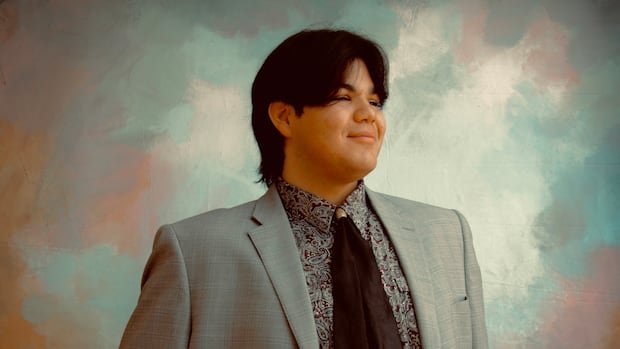

Indigenous communities have a strong connection to country music, with deep roots dating back to the fur trade era. Zach Moostoos-Willier, a Cree-Métis country music artist, attributes this connection to the genre’s portrayal of real-life experiences and hard work, which resonates with Indigenous people. The incorporation of Indigenous elements, such as the Métis fiddle and Cree language, has enriched the genre and established a unique space for Indigenous artists like Ernest Monias.
David McLeod, CEO of Native Communications Inc., highlights how country music aligns with Indigenous oral storytelling, making it a natural fit for Indigenous artists to share their cultural narratives. The genre’s popularity among Indigenous communities surged in the mid-20th century as people migrated to urban areas, reflecting their experiences and connection to the land.
Desiree Dorion, an award-winning singer-songwriter from Opaskwayak Cree Nation, emphasizes the importance of boosting Indigenous representation in mainstream country music. She advocates for inclusivity by actively involving Indigenous producers and musicians in her projects, setting an example for greater visibility and diversity within the industry.
Indigenous artists like Moostoos-Willier and Dorion are carving their paths in the country music scene, blending traditional influences with contemporary storytelling to create a vibrant and authentic musical landscape that reflects their heritage and experiences.