
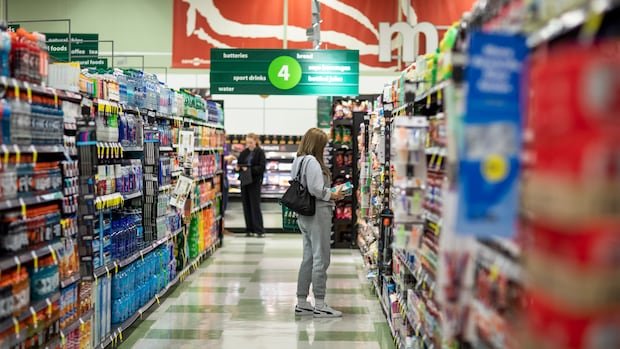

Canada’s major grocery chains, such as Loblaws, Sobeys, and Metro, are utilizing property regulations to influence the competition faced by other grocery stores, dollar stores, pharmacies, and gas stations, according to a recent investigation by CBC’s Marketplace.
These property controls, known as restrictive covenants or exclusivity clauses in legal terms, are agreements between a landowner and a retailer that dictate which types of businesses can operate on the property and the products competitors are permitted to sell. While common in various industries, their application in the grocery sector has drawn criticism.
Economist and grocery industry critic Jim Stanford expressed concerns, noting that these controls give major retailers an edge over smaller businesses by limiting competition. Marketplace uncovered multiple property controls embedded in lease agreements or directly registered on property titles across Canada, each imposing distinct limitations negotiated by the grocery giants.
For instance, a Sobeys property control in Winnipeg dictates that no food can be sold on adjacent land without Sobeys’ approval, which can be withheld unreasonably. Similarly, a Metro property control in Waterloo restricts the food items a neighboring Shoppers Drug Mart can offer and prohibits large restaurants from opening within a defined distance from Metro’s store.
While Metro and Sobeys deny that property controls hinder competition, Loblaws previously acknowledged their impact but refused to eliminate them unless other major grocers followed suit. These controls, according to Stanford, benefit property owners by attracting anchor clients while allowing retailers to limit competitive pressures once established.
Moreover, Marketplace discovered instances where property controls extended to prohibiting any retailer within a specified radius from selling fresh food, affecting consumers like Teresa Petrie in Picton, Ontario, who faces rising grocery prices due to limited competition resulting from property controls.
In response to the escalating grocery prices and concerns about market dominance, the Competition Bureau has initiated investigations into the use of property controls by grocery conglomerates like Loblaws and Sobeys. The federal government has also introduced legislative measures, such as Manitoba’s Property Controls for Grocery Stores and Supermarkets Act, to address these issues and promote fair competition.
While grocery companies defend their practices, stakeholders like Petrie advocate for government intervention to curb the exploitation of property controls. As regulatory scrutiny intensifies, the industry faces calls for increased transparency and adherence to competition laws to ensure a level playing field for all players in the market.