

The aftermath of the conflict between the U.S. and Israel-Iran highlights the unpredictability of life. The United States initiated the conflict by launching a surprise attack on Iran during negotiations, causing minimal impact on its energy supply but tarnishing its global reputation and leading to inflation due to rising oil prices. Meanwhile, Asian and European allies of the U.S. faced ongoing energy shortages without prior consultation or warning.
Canada, on the other hand, seems to have landed relatively smoothly from the crisis, benefiting its oil and gas industry. The situation could potentially facilitate increased investment in Canadian energy from Asian nations, as noted by Joe Calnan from the Canadian Global Affairs Institute.
The extent of Canada’s gains hinges on the evolving ceasefire, which remains contentious, leaving uncertainty over the resolution of the missile and drone conflict in the Persian Gulf.
Countries heavily reliant on imported fuels, such as South Korea and Italy, are anticipated to bear the brunt of the energy crisis. The impact on economies is expected to be significant, but manageable if political tensions ease and fuel prices stabilize in the latter part of the year.
While the restoration of oil and gas production in the Gulf is a complex process, there are challenges associated with restarting wells post-shutdown. The region faces obstacles in resuming production levels to pre-war standards due to potential well damage and operational hurdles.
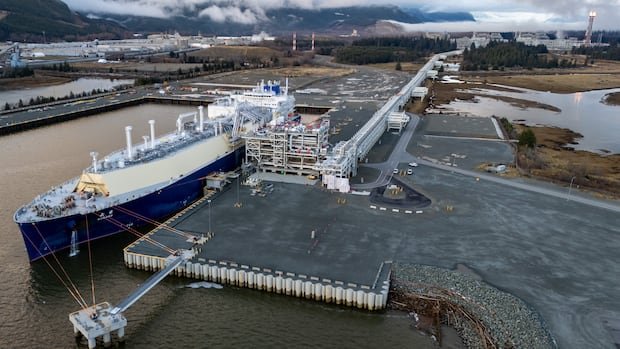
In the LNG sector, Qatar’s gas production at Ras Laffan may take three to five years to fully recover, impacting global LNG availability. Canada’s LNG projects, such as the recently operational LNG 1 in Kitimat, offer a potential alternative supply source for Asian markets.
The issue of tolls in the region, demanded by Iran in cryptocurrency, poses additional complications for maritime traffic through the Strait of Hormuz. The uncertainty surrounding passage through the strait and the geopolitical dynamics may further enhance Canada’s attractiveness as an energy supplier.
Amidst the chaos, the responsibility of ensuring the smooth operation of international shipping routes for global commerce is emphasized, underscoring the importance of a stable and rules-based international order.
The British government’s discussions with allies aim to devise a strategy for reopening the strait, underscoring the urgent need for a resolution to prevent disruptions in maritime traffic.