
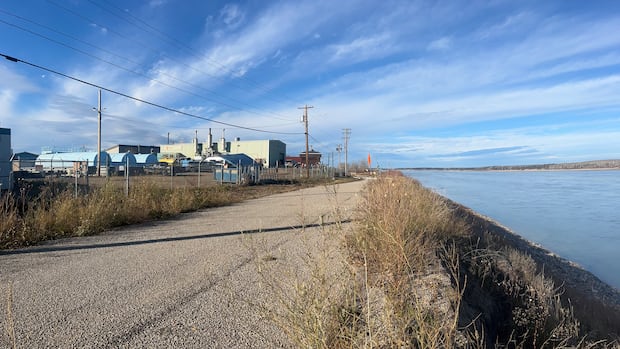

In Fort Simpson, liquefied natural gas is becoming the alternative to diesel.
The federal government is investing over $31.3 million, alongside roughly $10.4 million from the Northwest Territories Power Corporation (NTPC), to construct a new power facility in the area.
This new facility will predominantly produce energy using liquefied natural gas, replacing an existing diesel-powered plant. Doug Prendergast, NTPC’s communications manager, noted that approximately 90 percent of the energy will be generated from natural gas, while the remaining 10 percent will still come from diesel.
“The primary motivation for the [liquefied natural gas] plant was to reduce emissions,” Prendergast explained.
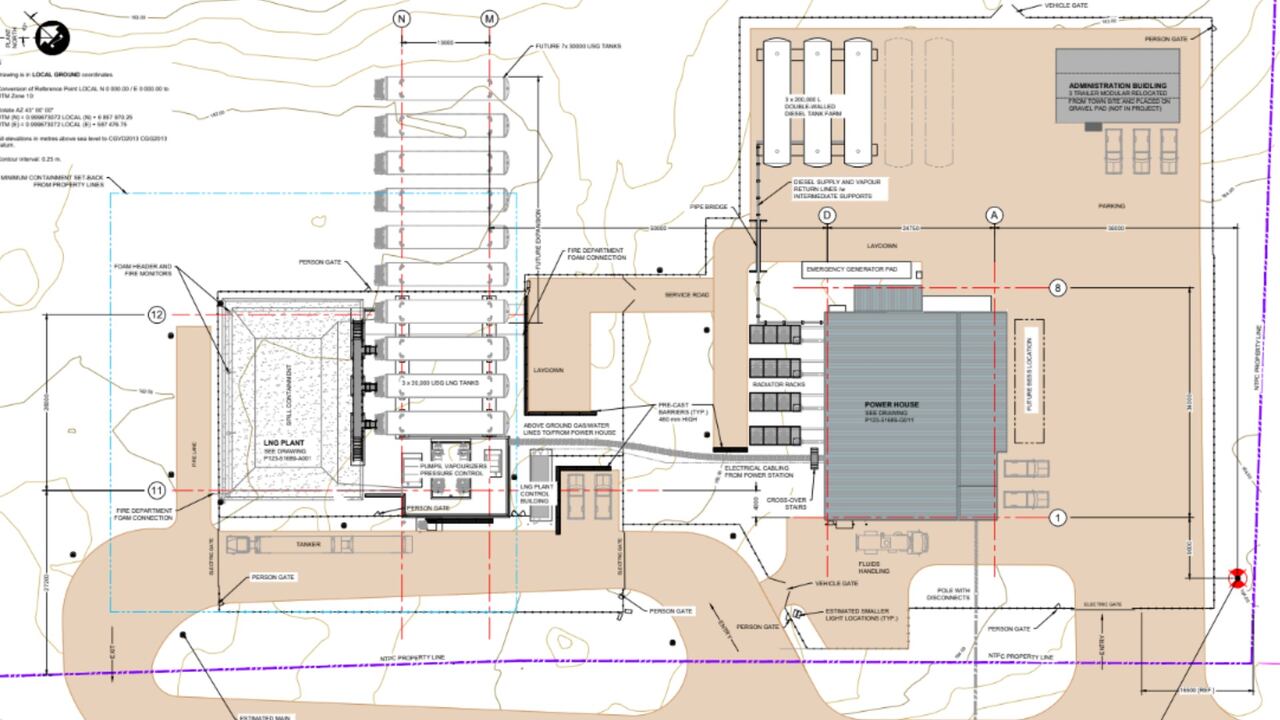
The new plant will use liquefied natural gas to power the community. (Submitted by Doug Prendergast/NTPC)
Canada ranks among the largest producers of liquefied natural gas worldwide, and NTPC already manages a natural gas facility in Inuvik. According to NTPC, while liquefied natural gas is still classified as a fossil fuel, it produces lower greenhouse gas emissions compared to alternatives like diesel.
Additionally, Prendergast mentioned that it’s more cost-effective. Based on the experience with the Inuvik plant, which has been operating on liquefied natural gas since 2013, NTPC anticipates savings of around 10 to 15 percent.
The federal government is making substantial investments in “nation building” initiatives across the North. In September, Ottawa declared a $405 million investment for the Mackenzie Valley Highway to enhance connectivity in the Arctic. The new power facility is one of six infrastructure projects funded by the Arctic Energy Fund in the N.W.T., with a total federal investment exceeding $81.7 million.
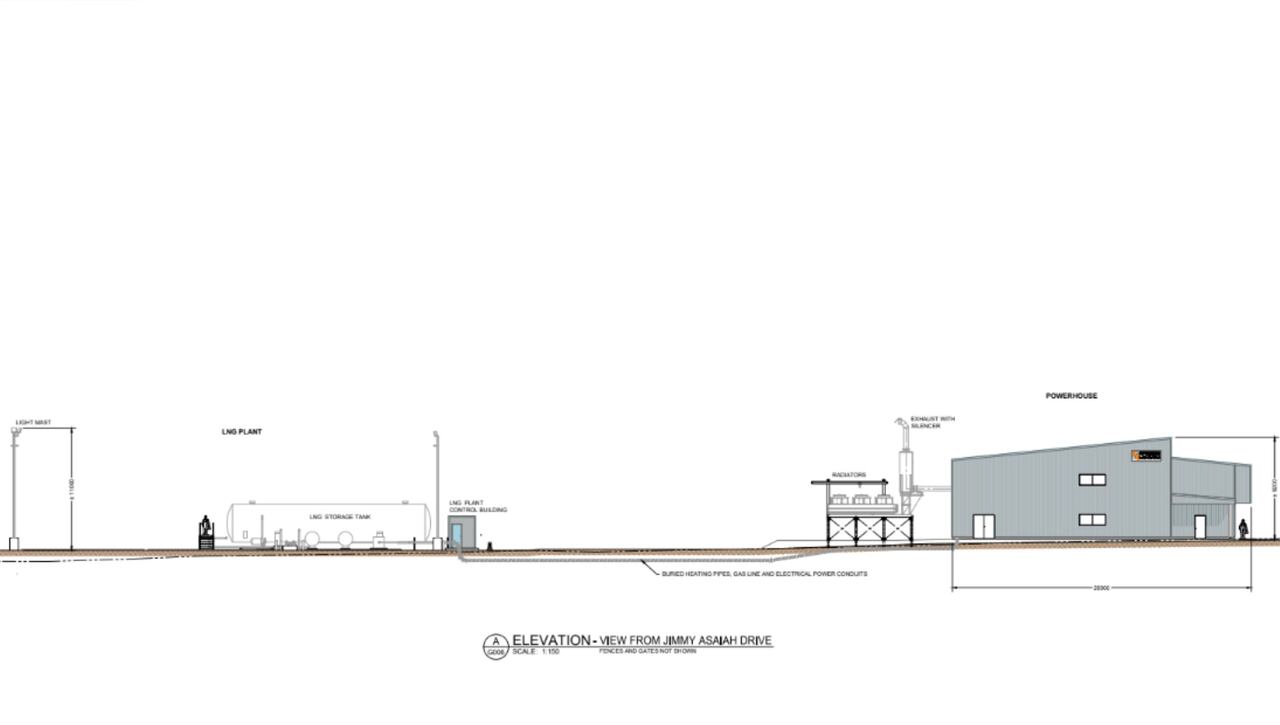
Construction will begin on the new plant in spring 2027, and is expected to be complete by 2029-2030. (Submitted by Doug Prendergast/NTPC)
However, for some residents, the primary advantage is not economic or environmental, but rather the fact that the new plant will not be at risk of collapsing into the Mackenzie River, as the current one is.
“It’s very positive for the community. It will provide us with an alternative power source in a safer location away from the main island,” stated Sean Whelly, a former member of the Fort Simpson council and a mayor for 12 years across multiple terms.
Throughout his tenure, the existing plant has experienced multiple floods, and the ground beneath it erodes every spring. A portion of Fort Simpson—comprising the power plant and several residences—sits on an island. In 2021, the plant had to be closed since the island was “three-quarters underwater,” Whelly recounted.
“It’s quite satisfying to see that the entire plan has finally come to fruition,” he remarked.
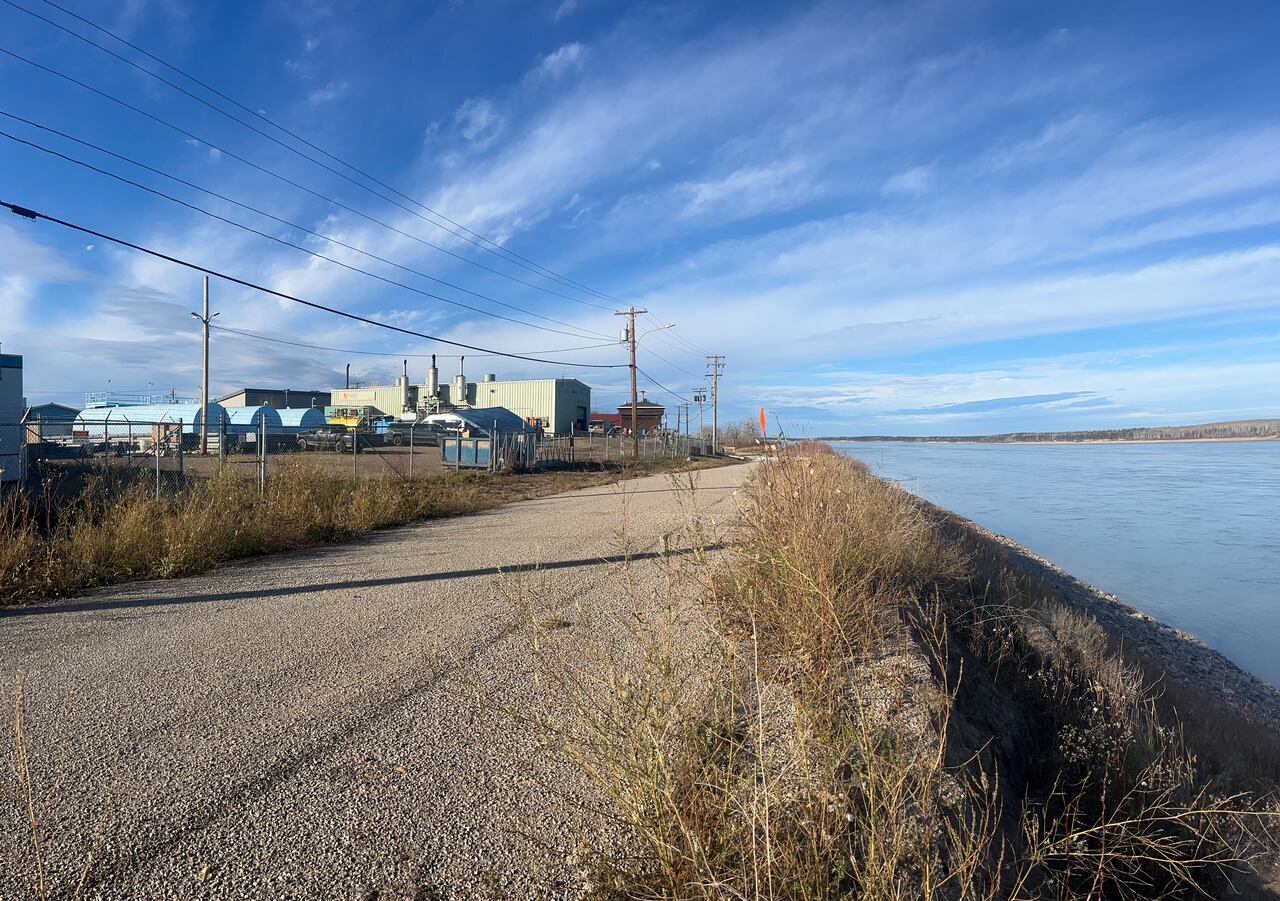
The current Fort Simpson power plant will continue to operate until the new one comes online in 2029-2030. The new plant will be located off-island, to avoid the flooding and erosion issues that have plagued the current diesel plant. (Submitted by Sean Whelly)
To him, the new facility symbolizes the future for his community.
“It was never just about power outages or unreliable energy. It was more about ensuring the long-term sustainability of this facility,” he stated, describing it as a “positive step forward.”
“It likely plays a role in a larger strategy for Fort Simpson as it prepares for the Mackenzie Valley Highway.”
Prendergast added that the risk of flooding is another reason the new plant will feature its own backup diesel generators, rather than depending on the old facility for backup power.
Currently, plans are in motion, with construction set to commence in 2027 and wrap up by 2029-2030. Until then, the diesel facility will continue to supply power to the community, provided it remains above water.