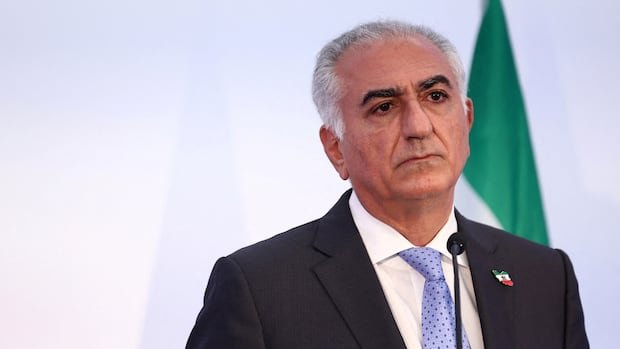

The son of Iran’s last shah has emerged as a key figure energizing demonstrators in the country’s largest anti-government protests in recent years, despite residing outside Iran since the late 1970s. Reza Pahlavi, often portrayed negatively by Iranian state media, has utilized social media and Farsi news outlets like Iran International to amplify his support for protesters and advocate for change. He has continuously lauded Iranians seeking reform and called for an end to oppressive measures.
In a recent CBS News interview, Pahlavi urged U.S. President Donald Trump to assist Iranian protesters, emphasizing the need for timely action. While Trump has expressed willingness to back Iranians facing security force crackdowns, he has displayed hesitance about meeting Pahlavi.
When questioned during the CBS interview about his role in inciting protests in a country known for harsh treatment of dissidents, Pahlavi clarified that he responds to the people’s calls for representation and support in their struggle for change. Acknowledging the risks involved, he acknowledged the challenges of such endeavors.
Advocating for a “secular, democratic” Iran, Pahlavi’s level of influence within his home country, where he has been absent for years, remains uncertain. Some protest footage circulating on social media indicates pockets of support for him, with chants echoing pro-monarchy sentiments. However, the majority of demonstrators focus on broader political reforms and economic revitalization demands, denouncing the current leadership.
Pahlavi’s consistent calls for transformation, particularly during periods of civil unrest, illustrate his commitment to advocating for change. While he has been vocal about a constitutional monarchy model, emphasizing the people’s role in determining governance, his primary objective remains the establishment of a democratic, secular Iran.
Born in 1960, Pahlavi was thrust into the spotlight as crown prince in 1967, alongside his father, the shah. Amidst socio-economic disparities and growing dissent, his departure from Iran in 1978 preceded his father’s exile a year later. Following his father’s passing, Pahlavi assumed the shah title on his 20th birthday in 1980.
Pahlavi’s proactive engagement from exile, his academic pursuits in political science, and his efforts to garner support from the Iranian diaspora underscore his commitment to advocating for change within Iran. While his alignment with Western allies and criticism of Iran’s regime have resonated with some audiences, his reception among foreign governments, particularly in the West, remains limited.