
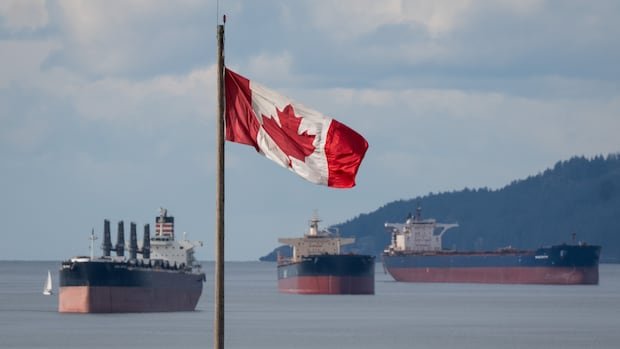

Christmas is arriving sooner than usual this year, leading to a surge in shipping expenses. A high volume of early bulk orders for various products, such as holiday decorations and household furniture, has driven maritime shipping costs to their highest levels in four years. This increase is a result of uncertainties surrounding tariffs and the situation in Iran, potentially impacting consumers.
Experts in the industry note that retailers and importers, particularly in the United States, are hurrying to secure shipments before the anticipated implementation of new U.S. tariffs on multiple countries by the end of July. The heightened demand is causing a rise in seaborne transportation prices worldwide.
Judah Levine, head of research at shipping platform Freightos, stated that the early onset of peak-season demand is the primary factor behind the escalating freight rates. He attributed this trend to the expected tariffs and the rise in fuel prices, influenced by the extended closure of the Strait of Hormuz.
Long-term contracts between large shippers and carriers, which include adjustments for fuel costs quarterly, will see the carriers passing on the increased fuel expenses incurred in recent months to shippers starting this summer. Additionally, rising energy prices have led to increased costs for manufacturers, driving importers to expedite their orders.
The Platts Container Index indicates that global shipping rates for containers have surged approximately 80% in the 30 days leading up to June 24, reaching their highest point since April 2022. Rates for shipping containers from East Asia to North America’s west coast have seen an even steeper increase, with the average cost of a 40-foot container rising by 120% over the past six weeks to $6,200 USD, according to Freightos.
John Corey, president of the Freight Management Association of Canada, highlighted that concerns over potential U.S. tariffs, particularly on countries under scrutiny for forced labor practices, along with uncertainties surrounding trade agreements like the Canada-United States-Mexico Agreement, are contributing to the current shipping dynamics.
Amid the ambiguity, businesses are taking precautionary measures by placing orders ahead of any changes, resulting in a rush to secure supplies. This heightened activity is driving prices up, as Lisa McEwan, co-owner of customs brokerage Hemisphere Freight, advises her clients to act swiftly to avoid potential disruptions.
Various products, ranging from apparel and seasonal decorations to furniture and electronics, are being ordered earlier than usual, with consumers expected to bear the eventual cost at the point of sale. The impact of these market fluctuations is likely to be felt most by average household consumers, who may experience higher prices in the near future.