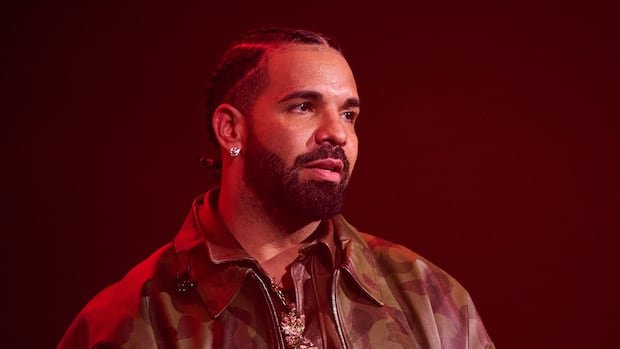

Drake is currently involved in a new legal dispute in 2026. The Canadian musician has been implicated in a proposed U.S. class-action lawsuit that asserts he, along with others, utilized profits from a betting website to disguise money transfers, subsequently inflating his streaming music play counts artificially.
The lawsuit revolves around Stake.us, the U.S.-based platform for Stake, an online casino operator located in Curaçao, frequently promoted by Drake on his social media channels. The legal claim suggests that Drake, whose real name is Aubrey Graham, played a central role in the alleged scheme, collaborating with social media influencer Adin Ross. Both individuals purportedly received payments to endorse the platform by gambling with virtual currencies supplied discreetly by Stake.
None of the allegations have been validated in court, and both Drake and Stake representatives have not yet responded to requests for comments. The plaintiff’s legal team is demanding a jury trial and seeking minimum damages and legal fees totaling $5 million USD.
The lawsuit, filed on December 31, 2025, in a Virginia court by LaShawnna Ridley and Tiffany Hines, lists all Stake.us users as plaintiffs. It additionally names George Nguyen as a defendant, indicating his role as a facilitator and operational intermediary.
The claim contends that Stake.us functions as an illicit online gambling site established to circumvent restrictions following the prohibition of Stake.com in the U.S. The platform was marketed as a “social casino” where real money was not wagered. However, according to the lawsuit, the site utilizes “Stake Cash,” convertible to cryptocurrency or digital gift cards, effectively constituting real currency.
The plaintiffs further allege that Drake, Ross, and Nguyen exploit the casino’s “tipping” feature to transfer funds amongst themselves, some of which are used to manipulate streaming services like Spotify. Their actions, as per the legal documents, were aimed at generating fake streams of Drake’s music, distorting streaming playlists, and misleading royalty and recommendation algorithms.
Consequently, the lawsuit claims that their activities have undermined genuine artists, restricted consumer access to authentic content, and compromised the credibility of curated music streaming experiences.