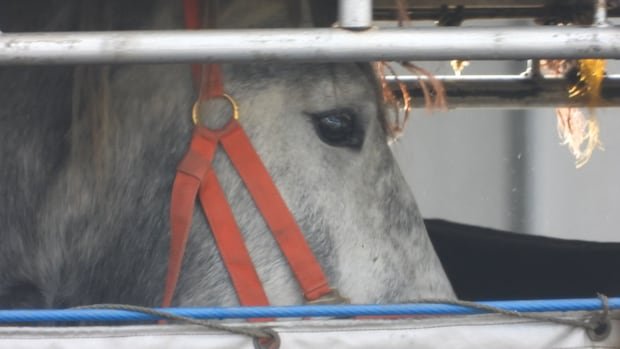

Animal rights advocates have uncovered distressing findings in a recent investigation revealing the ongoing suffering of horses flown for slaughter in Japan. The report, compiled by Animal Justice in collaboration with the Japan-based Life Investigation Agency (LIA) and the Canadian Horse Defence Coalition (CHDC), highlights a concerning lack of humane treatment during these shipments. Despite the mounting concerns, retired Conservative senator Donald Plett opposes a ban on these shipments, advocating instead for stricter reporting standards to ensure accountability for any injuries or fatalities suffered by the horses.
In 2023, Statistics Canada reported that 2,512 horses were exported to Japan for slaughter, amounting to $19 million in value. The industry involves around five export companies and numerous producers primarily located in Alberta, with additional participation from Manitoba and Ontario. In Japan, horsemeat is considered a delicacy and is often served raw as sashimi, known as basashi or sakura niku.
The investigation conducted by Animal Justice and LIA analyzed Japanese government records from 18 shipments involving approximately 1,822 horses from Edmonton and Winnipeg between September 2024 and September 2025. Cross-referencing these records with Canadian Food Inspection Agency (CFIA) documents obtained by CHDC revealed troubling incidents, including the deaths of nine horses due to illness or injury during transport. Additionally, nearly 300 horses suffered various injuries and illnesses, such as lacerations, hoof, leg, and eye wounds, fever, diarrhea, and collapsed conditions.
Notably, discrepancies were found between the Japanese records and the CFIA documentation, with some severe injuries and fatalities not being accurately reflected in the Canadian reports. For instance, a shipment from Edmonton on Nov. 4, 2024, resulted in the deaths of three horses during transport, with several others experiencing distressing health issues. Despite these concerning incidents, CFIA records failed to mention the deaths of the three horses, highlighting potential gaps in reporting and transparency within the industry.
Addressing these critical concerns, animal activist Kaitlyn Mitchell emphasized the need for more stringent regulations and oversight to safeguard the welfare of these animals during transportation. While some improvements have been made to streamline the export process, Mitchell expressed skepticism about the industry’s ability to address these inherent challenges effectively.
Efforts to ban live horse exports for slaughter have been ongoing, with several legislative initiatives introduced to halt this practice. Animal rights groups continue to advocate for stronger regulatory measures and increased accountability to protect the well-being of horses during international transport.