
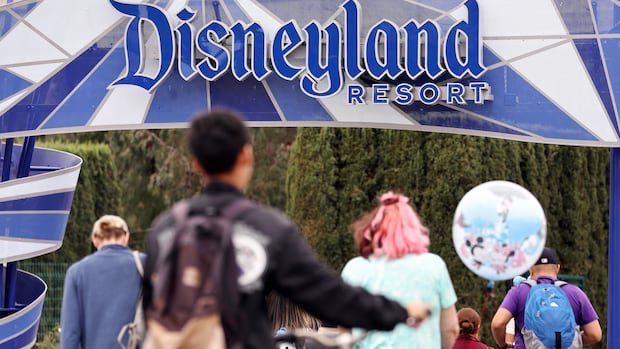

The Walt Disney Company is currently entangled in a class-action legal battle concerning its implementation of facial recognition technology at the entrances of its Disneyland theme park. The lawsuit alleges that Disney has breached the privacy rights of visitors and violated consumer protection regulations.
The legal complaint claims that Disney has not been transparent about the use of biometric data collection, leaving consumers, often including minors, unaware of the sensitive information being gathered. Attorney Blake Hunter Yagman, based in New York, filed the lawsuit on behalf of Summer Christine Duffield, a parent from California who recently visited Disneyland and Disney California Adventure Park with her children.
Disneyland has introduced facial recognition technology at the entrances to Disneyland Park and Disney California Adventure Park as of April, stating that it aims to streamline reentry processes and prevent fraudulent activities. The company clarifies that images captured at facial recognition lanes are converted into unique numerical values, which are then matched with initial ticket or pass usage data. Disney assures that this data is typically deleted within 30 days, except in cases necessitating retention for legal or anti-fraud reasons.
While the company emphasizes that participation in facial recognition is voluntary, visitors may still have their images taken at the entrance lanes even without opting for facial recognition. Staff can manually verify tickets in such instances.
The lawsuit highlights concerns about the clarity of signage regarding the new technology and the availability of separate entrance lanes for individuals opting out of facial recognition. The legal filing criticizes the signage as being easily overlooked and the alternative entrances as insufficient and unclear, citing a report from the Los Angeles Times.
The lawsuit raises worries about the potential risks associated with biometric information being linked to personal identification records, such as credit card details or government-issued IDs, creating a valuable data set that could be exploited for fraudulent activities. Yagman stresses that guests should have the explicit option to consent to the use of facial recognition technology, with privacy rights not solely resting on the individual.
The class-action lawsuit is seeking damages of at least $5 million USD.