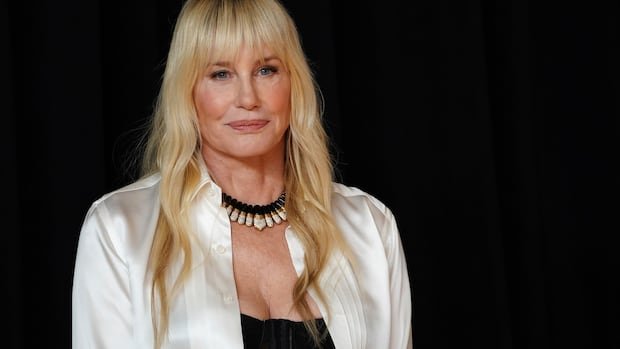

Daryl Hannah strongly criticized the recent TV series depicting John F. Kennedy Jr. and Carolyn Bessette, labeling the portrayal of her character as inaccurate, harmful, and misogynistic. In an opinion piece for the New York Times titled “How Can Love Story Get Away With This?”, the actor expressed her disapproval of her depiction in the FX and Hulu show, which romanticizes the relationship and marriage of the iconic couple who tragically died in a plane crash in 1999. Hannah, who had a past relationship with Kennedy, highlighted that the portrayal of her character in the series, played by Dree Hemingway, is far from reality.
The 65-year-old actress refuted specific actions attributed to her character in the first three episodes of the show, emphasizing that she has never engaged in drug use, pressured anyone into marriage, disrespected family heirlooms, or manipulated the media. She expressed her disappointment at having to defend herself against the misrepresentation in a television production.
Criticism of the series extends beyond Hannah, with Jack Schlossberg, Kennedy’s nephew and a congressional candidate, also condemning the show for exploiting the Kennedy family’s tragic history. Hannah’s critique was particularly personal as she is directly portrayed in the series, noting that producers intentionally positioned her character as an impediment to the central love story, resulting in a negative portrayal of her as irritating and inappropriate.
While the show’s producer, Nina Jacobson, emphasized their attempt to portray characters with compassion and complexity, Hannah felt that her character was not treated with the respect she deserved. She highlighted her current endeavors in environmental advocacy and documentary filmmaking, emphasizing the importance of maintaining her reputation to continue her meaningful work.
Reflecting on advice given to her by Jacqueline Kennedy Onassis about tabloid lies, Hannah emphasized the lasting impact of falsehoods in the digital age. She also pointed out the inherent misogyny in pitting women against each other in popular culture narratives, questioning the need to vilify one woman to elevate another.