
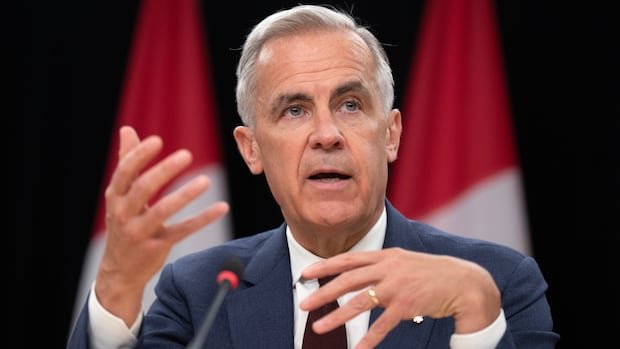

Prime Minister Mark Carney recently criticized the climate plan implemented by the previous Liberal government, labeling it as costly and divisive. He expressed concerns in a video, stating that the plan was unsustainable in the long run and would burden Canadians already facing affordability challenges. Carney emphasized that the plan could have fueled divisions within the country and provided opportunities for those seeking to disrupt Canada’s unity.
As Carney distances himself from Trudeau’s climate strategy, he acknowledged that the country’s emissions are projected to rise in the coming years compared to the previous estimates. The Conservative party and supporters of expanding oil and gas exports have long opposed the Trudeau government’s climate initiatives, arguing that they would impose financial burdens on Canadian families and impede economic growth.
In contrast, the Trudeau administration defended its approach, highlighting measures such as the consumer carbon tax, which aimed to provide rebates to most Canadians, ultimately enhancing affordability. However, Carney stressed that the global landscape has evolved significantly since 2015, necessitating a shift in climate policies.
Carney’s government has opted to abandon key elements of the previous climate plan, such as the consumer carbon price and emissions caps in the oil and gas sector. Instead, the government is focusing on expanding liquefied natural gas (LNG) exports and supporting additional pipeline projects. Despite criticisms, Carney underscored the importance of maintaining a reliable energy supply, emphasizing responsible production with a focus on reducing emissions over time.
The prime minister also addressed the need to address the energy, security, and climate crises facing the world. He highlighted the importance of electrification in enhancing competitiveness and sustainability, outlining plans to double Canada’s electricity grid by 2050. Carney emphasized the significance of producing clean and affordable power to bolster the economy while reducing emissions.
While Carney’s push for electrification received support from climate groups, concerns were raised regarding the expansion of fossil fuel exports. Critics cautioned against further infrastructure development for oil exports, particularly amid declining demand in Asia. Calls for an updated climate plan were reiterated by environmental organizations, emphasizing the necessity of concrete strategies to combat climate change effectively.