
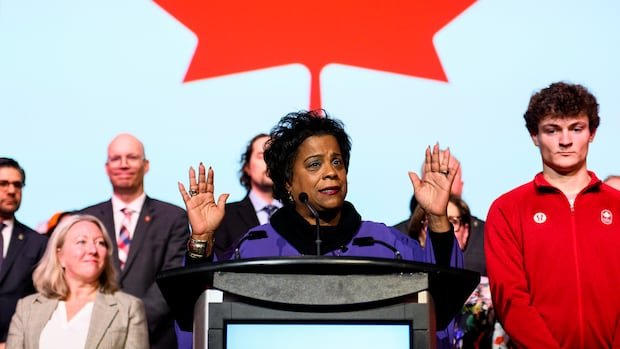

The federal government has initiated a “national dialogue” aimed at shaping a forthcoming plan concerning the health of men and boys. Health Minister Marjorie Michel emphasized during a press briefing that these issues are often disregarded, misunderstood, or overlooked. She stressed the importance of inclusivity in health discussions and highlighted the current focus on men and boys.
Health Canada states that the primary goal of the strategy is to cultivate supportive and secure environments, challenge detrimental stereotypes, diminish stigma, and encourage males of all generations to seek assistance when necessary. From March 2 onwards, Canadians can participate by completing an online survey to help shape the federal strategy. Contributions will be accepted until June 1, with the finalized strategy anticipated later this year.
Minister of Women and Gender Equality, Rechie Valdez, expressed concerns over the prevailing message urging men and boys to endure silently and handle issues on their own. She emphasized that true strength lies in prioritizing one’s health, fulfilling responsibilities to dependents, and recognizing when to seek support.
In collaboration with Movember Canada, the government is enlisting the support of parliamentarians, provincial and territorial partners, community organizations, and groups to aid in developing the strategy. Statistics Canada data reveals that men in Canada confront unique health obstacles, such as elevated rates of suicide, substance abuse, and premature or avoidable mortality.
Michel highlighted that enhancing men’s health would not only alleviate suffering but also enhance overall well-being and bolster the economy. Movember Canada’s report, “The Real Face of Men’s Health,” indicates that advancing men’s health in Canada could result in annual savings of $12.4 billion. Health Canada clarified that prioritizing men’s health does not diminish the ongoing efforts to support women’s health.
Valdez emphasized that fortifying the physical, emotional, and mental health of men and boys fosters healthier, sturdier, and safer communities for everyone, including women and children. This initiative aligns with similar strategies for men’s health in other countries like Australia, Ireland, and the United Kingdom.