

Canada stands out in the ongoing trade dispute with the United States as the sole nation to opt out of a trade agreement deemed unfavorable. This decision has ignited a wave of national pride among Canadians who are rallying behind the government’s position.
However, the aftermath of this defiance raises questions. How will the implementation of tariffs affect salaries, grocery costs, and household finances? And what implications will emerge as Canada seeks new trade alliances, particularly with China?
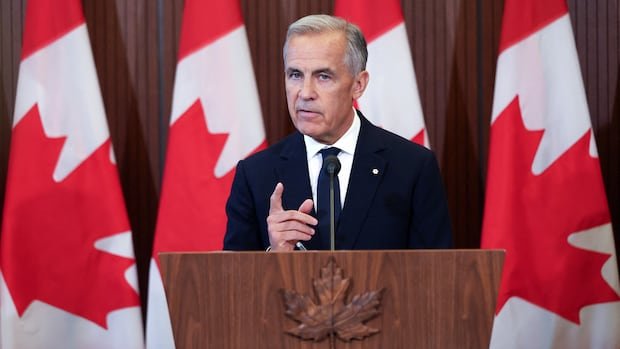
Prime Minister Mark Carney is striving to mitigate the repercussions by promoting Canada to global business leaders and Europe through the inaugural Canada Investment Summit. The potential risks Carney is undertaking and the future implications are examined by guest host Catherine Cullen alongside Washington correspondents Katie Simpson and Paul Hunter.
As uncertainties loom, the sustainability of public support for Carney’s strategy remains uncertain. While the rationale behind Canada’s withdrawal from the trade talks resonated with many, the practical impacts on individuals, such as job losses and rising living expenses, may challenge the prevailing patriotic sentiment.
Moreover, the trade disputes are underpinned by the Trump administration’s aspiration for dominance, particularly in the Western Hemisphere, with a focus on restricting trade with third countries, primarily China. Comparisons with other nations’ success in negotiating with the U.S. on trade further underscore the complexity and significance of Canada’s current stance.
In assessing the broader context, it is crucial to redefine what constitutes success in trade negotiations amid evolving global dynamics. Despite initial ambitious targets set by the Trump administration, the actual number of finalized trade deals falls short of the envisioned scale, raising questions about the efficacy and sustainability of the current approach.