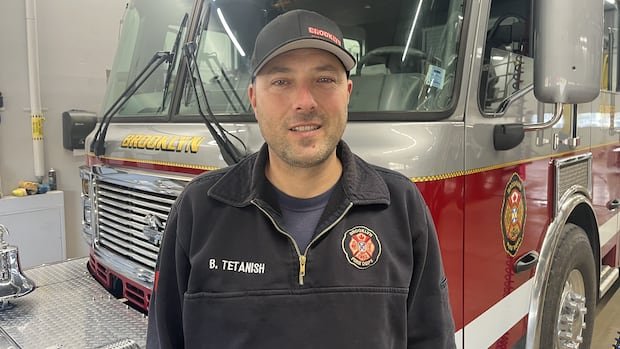

In May 2023, the Brooklyn Volunteer Fire Department, located approximately 40 minutes outside Halifax, was on high alert due to the environmental conditions conducive to wildfires. This period, known as the spring “green-up,” saw emerging buds drawing moisture from the forest without leaf cover to regulate temperature. Unusually hot and dry weather had persisted for weeks.
During a training exercise on May 23, Chief Brett Tetanish alerted his team to the heightened fire risk. A fire near the Brooklyn station was swiftly dealt with, but a massive wildfire in Upper Tantallon, 60 kilometers away, soon became a major concern. The Brooklyn firefighters were dispatched to Halifax to protect structures, encountering a scene reminiscent of wildfires typically seen in Alberta or British Columbia.
Over three days, the Brooklyn firefighters battled the blaze, which destroyed 151 homes, before returning exhausted. The unprecedented events signaled a shift in the firefighting landscape, with members acknowledging the evolving challenges posed by climate-related disasters.
The Upper Tantallon wildfire was just one of the climate-related crises Brooklyn had faced recently, straining their volunteer force. With more such incidents anticipated, the firefighters contemplated how to adapt to the changing landscape.
In Canada, around 90,000 volunteer firefighters, constituting about 70% of the total firefighting personnel, serve communities nationwide. In Nova Scotia, where approximately 7,400 volunteers provide firefighting services, Brooklyn’s fire department, established in the 1960s, has grown to 70 members. Despite receiving municipal funding for better equipment access, the department faces similar challenges to other volunteer forces in the province.
Tetanish, a 35-year veteran of the department, noted a significant increase in call volumes, now around 500 annually, attributed partly to population growth and increasingly to climate change impacts. A 2023 report by the Canadian Association of Fire Chiefs highlighted rising emergency responses not only to house fires but also to medical emergencies and climate-related incidents.
In response to the wildfires, the Brooklyn department invested in a sprinkler protection system using 50/50 funds to safeguard structures. This proactive measure, despite initial skepticism, proved vital during subsequent disasters. Following devastating flash floods in July 2023, the department focused on enhancing preparedness and training to address future challenges.
The Brooklyn firefighters’ resilience was tested further in 2025 during a severe drought that sparked wildfires in Annapolis County. Deploying the sprinkler protection system on approximately 90 structures saved homes as the fire rapidly expanded. The relentless firefighting efforts underscored the need for sustainable solutions and better coordination at all levels of government to address mounting pressures from climate-related disasters.
As communities grapple with escalating climate risks, Brooklyn’s firefighters emphasize the importance of adhering to emergency directives and adopting FireSmart Canada practices to mitigate wildfire threats. With the global wildfire risk projected to surge by 30% by 2050, collective action and mutual support are crucial in navigating the evolving climate challenges ahead.