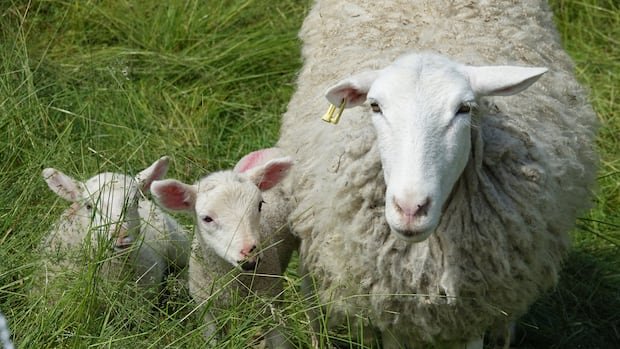

The government of British Columbia has modified its regulations to grant wildlife officers expanded authority to euthanize escaped or deserted domestic sheep with the aim of safeguarding wild sheep populations. The province has reclassified domestic sheep under the Wildlife Act to mitigate the potential spread of diseases that could cause significant mortality among wild herds. While both domestic and wild sheep can contract similar infectious agents, their immune responses and disease resistance vary. One particular bacterium, M. ovi (Mycoplasma ovipneumoniae), commonly found in domestic sheep and goats, typically harmless to them, can trigger fatal pneumonia in wild sheep. The Ministry of Water, Land, and Resource Stewardship highlighted that this bacterium can spread rapidly among wild populations through shared grazing areas or water sources. Additionally, the regulatory amendments now deem abandoning sheep on Crown land as an offense, granting the ministry the authority to take ownership of the animals.

Le Paris Post draws on the expertise of its Paris-based editorial teams and a unique global network of 400 correspondents to provide news bulletins and features, offering listeners the means to understand the world better. Le Paris Post was founded in 2011, and we now have a team of dedicated journalists on the ground in fifty-seven countries.
Team Le Paris Post
Trending
© Le Paris Post. All Rights Reserved.