
Numerous B.C. municipalities have voiced concerns that higher government tiers have shifted a variety of costs and duties onto them. Presently, some cities are making efforts to measure the extent of this burden, with reports revealing millions of dollars in transferred expenses.
Local governments argue that these downloaded costs place strain on their budgets, making it challenging to fund essential services such as infrastructure, parks, and community facilities, as they assume more responsibilities previously managed by provincial and federal authorities.
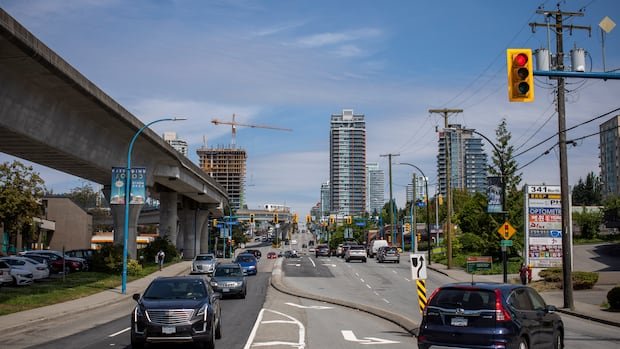
For instance, Coquitlam, a Vancouver suburban area with approximately 150,000 inhabitants, calculated that provincial government downloading had financially impacted the city by $37.6 million from 2021 to 2024. This sum equates to an 18 percent cumulative tax hike over the four-year period.
City officials expressed their concerns about the financial challenges at hand. Councillor Robert Mazzarolo emphasized the tight budget situation, stating that existing funds are barely sufficient to cover mandatory obligations.
Coquitlam highlighted various areas where they are shouldering additional costs, including heightened spending on law enforcement and emergency services due to insufficient support for housing and mental health, escalating expenses due to reduced provincial aid for libraries, and expanding responsibilities for climate resilience initiatives.
The city cited specific examples, such as allocating around $17 million towards affordable housing projects and $1.55 million for police and fire responses related to a provincially-run mental health and addiction facility.
Coquitlam is not alone in quantifying the financial impacts of downloaded costs. In 2024, Kamloops, an interior city in B.C., identified $13.1 million in expenses attributed to downloading, along with an anticipated $122 million in future impacts if it becomes responsible for orphan dikes and inherited dams.
Kamloops pointed to investments in shelters, supportive housing, and increased emergency response spending for social issues like the drug crisis. The city also highlighted additional costs resulting from legislative changes, such as the updated Traffic Management Manual necessitating the installation of safety equipment on vehicles.
In a similar vein, Vancouver calculated $353.1 million in downloading costs in 2022, offset by $44 million in revenue from higher levels of government. Meanwhile, the City of Penticton tallied $4.6 million in provincial downloading solely for public safety between 2019 and 2023.
Despite these challenges, the Ministry of Municipal Affairs in B.C. asserts that the province has been providing substantial support to local governments. Initiatives include a $1 billion one-time grant program for infrastructure projects across all local governments in B.C. and financial assistance for housing legislation and climate action programs.
The federal government has also outlined significant investment plans, with a commitment to inject $51 billion over the next decade to enhance local infrastructure. Specific programs will necessitate cost-sharing with provinces and territories and a reduction in taxes hindering housing development.
Advocates from the Federation of Canadian Municipalities have been pushing for reforms in revenue generation for cities. They emphasize the need for municipalities to have more flexibility in generating revenue to address pressing issues like housing, healthcare, and mental health support.
Rebecca Bligh, the federation president and Vancouver city councillor, underscored the pivotal role municipalities play as frontline service providers and called for modernizing revenue tools to align with present needs. The federation is urging the federal government to index direct transfers to municipalities based on GDP and population growth and expand the utilization of federal transfers to better support local governments.