
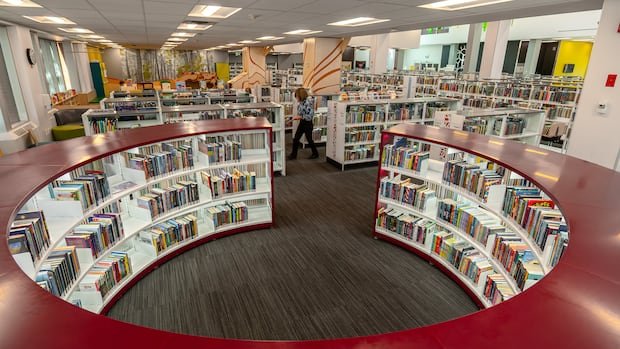

Less than five months remain before libraries in Alberta must adhere to new restrictions on their collections. Some librarians are concerned about the implementation of the regulations due to the workload and potential costs involved. The restrictions, stemming from Bill 28, require Alberta’s public libraries to limit access to materials containing visual depictions of sexual acts. Individuals under 15 years old are now prohibited from using or borrowing these materials without parental consent.
Libraries have until January 1 to determine which materials to restrict, where to store them, and how to regulate access. Lesley Moody, manager of the Olds Municipal Library, highlighted the complexity of the task, emphasizing the need for meticulous review of each book. The process involves examining graphic novels, with Moody estimating 600 hours of work and $15,000 in labor costs solely for assessing their graphic novel collection.
The expenses for evaluating DVDs, video games, and other image-containing materials, purchasing new shelving units, and establishing new procedures for library cards further add to the financial burden. While Moody believes her library can manage the review without closing temporarily, smaller libraries might face closure during compliance.
The province is expected to release guidelines this month to assist libraries in adapting to Bill 28. Ron Sheppard, director of the Parkland Regional Library System, expressed eagerness to receive these guidelines. He raised concerns about the restrictions’ application to educational materials and the reliance on ratings systems for films and video games.
Jack Alarie, press secretary for Alberta’s Municipal Affairs ministry, clarified that Bill 28 aims to control access rather than censor content. Libraries have traditionally curated collections based on professional standards, separating materials by age-appropriateness and addressing public complaints.
However, Ken Feser, chief librarian at the Medicine Hat Public Library, expressed worries that the restrictions could make certain materials less visible to the public, potentially leading to their disappearance. He criticized the directive to move restricted materials to less accessible areas, likening it to burying books.
The expanded scope for inspectors under Bill 28 raised concerns among library managers about potential overreach. Kelsey Chic, library manager for the Carmangay and District Municipal Library, emphasized the importance of local decision-making in curating collections tailored to individual communities. She raised objections to centralized control from Edmonton, highlighting the need for local autonomy in library operations.
James Turk, director at the Centre for Free Expression at Toronto Metropolitan University, suggested that libraries challenge the restrictions on freedom of expression rights for young users. He emphasized the broader implications of the Alberta situation for libraries across Canada.
As Alberta’s libraries navigate these new regulations, librarians nationwide are closely monitoring the developments to anticipate potential legislative impacts on their operations.