

The Alberta government’s recent modifications to regulations concerning wetlands on private property may have significant impacts on the environment, according to conservationists. The province revealed in late August that landowners will no longer require approval under the Water Act for engaging in “routine agricultural activities” that involve temporary and seasonal wetlands on their land. These water bodies are characterized as areas that are only submerged for a few weeks in spring or after heavy rainfall, and remain wet for most of the growing season before drying out by the end of summer.
With the latest policy amendments, farmers will now have the freedom to drain these wetlands without seeking provincial authorization. Previously, the exempt activities were limited to activities such as cultivating, direct seeding, and spraying. The Environment Minister’s office stated that farmers should not have to undergo expensive processes and wait for government approval to manage temporary water on their land. The government aims to eliminate unnecessary barriers and restore farmers’ autonomy in making decisions about their property.
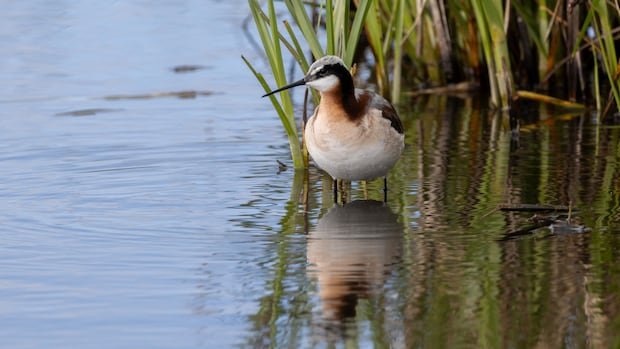
However, Alberta Wilderness Association conservation specialist Ruiping Luo expressed concern over the ecological implications of these changes, emphasizing that wetlands are crucial for supporting biodiversity. She highlighted that temporary and seasonal wetlands provide essential habitats for various animals like birds, amphibians, and insects due to their seasonal nature, which reduces exposure to permanent predators. The province notes that Alberta’s wetlands host around 400 plant species, some of which are endangered.
Luo emphasized that wetlands also serve vital functions in flood and drought mitigation by storing water, slowing runoff, and maintaining soil productivity. They also contribute to water quality and human health by preventing nutrient runoff that can lead to toxic algal blooms. The province estimates that between 60 to 70 percent of wetlands in settled areas have already been lost, and the recent policy changes could further endanger the remaining wetlands.
Tracy Scott, a retired wetlands conservation expert, criticized the government’s decision, stating that it contradicts the evidence supporting wetlands conservation. He expressed concerns that the new rules could jeopardize a significant portion of the remaining wetlands in settled regions of the province by allowing drainage without consequences.
Guy Greenaway, Executive Director of the Corvus Centre for Conservation Policy, raised alarm over the potential lack of oversight regarding the amount of wetlands lost due to the new regulations. He believes that the changes could lead to extensive draining activities without proper monitoring or accountability.
Producers, on the other hand, have welcomed the policy changes, with agricultural groups advocating for more flexibility in managing temporary water bodies on cropland. They believe that the adjustments will help reduce risks associated with waterlogged soils and enable effective water management decisions for healthier crops while supporting wetland habitats.
The government highlights that the amendments are targeted and sensible changes aimed at routine agricultural activities on private cropland. They assert that the new rules do not open the door to widespread wetland destruction, emphasizing that existing protections for sensitive species will remain in place. The province also mentions incentives for landowners to conserve and restore wetlands on private property, including various conservation programs. The revised wetland management rules are set to come into effect this fall.