
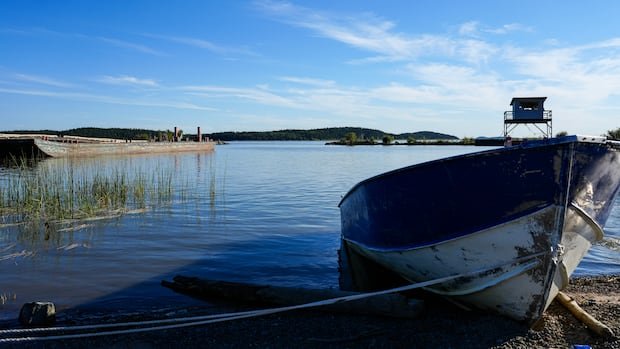

After more than twenty years of requests from community members, a new federally funded study is set to investigate the health effects of the oilsands on residents in Fort Chipewyan, an Indigenous community in northern Alberta. Many locals have long suspected a connection between cancers in Fort Chipewyan and the industrial activities upstream along the Athabasca River.
The study, named Project Monument Hill, will span a decade and receive $12 million in funding. It aims to analyze current and past health data, observe local disease patterns, and assess the impact of environmental changes on the community’s way of life and culture. Third-party researchers, in collaboration with the Métis Nation, the Athabasca Chipewyan First Nation (ACFN), and the Mikisew Cree First Nation (MCFN), will conduct the study, with the federal government in an oversight role.
Ruby Ladouceur, president of the Fort Chipewyan Métis Nation, emphasized the importance of understanding the link between environmental conditions, traditional land use, and the well-being of the community. Ladouceur stressed the correlation between environmental health and human health and highlighted the study’s blend of western science and Indigenous knowledge.
Dr. John O’Connor, a vocal advocate for investigating cancer cases in Fort Chipewyan, expressed satisfaction with the study but raised concerns about the lengthy ten-year timeline. Past reports on cancer rates in Fort Chipewyan have been criticized for not accounting for individuals who left the community seeking cancer treatments, potentially skewing the data.
Previous studies have indicated higher-than-average cancer rates in Fort Chipewyan, with evidence of heavy metals and industrial contaminants in locally harvested plants and animals. Despite earlier reports downplaying the industrial exposure link to cancers, community leaders stress the need for a comprehensive, long-term health study to accurately assess the situation.
The new study aims to delve into the impacts of environmental changes on Indigenous health, focusing on community members’ well-being rather than external lifestyle factors. Limited publicly available data on the relationship between cancer in Fort Chipewyan and oilsands developments underscores the urgency and importance of this comprehensive health study.