
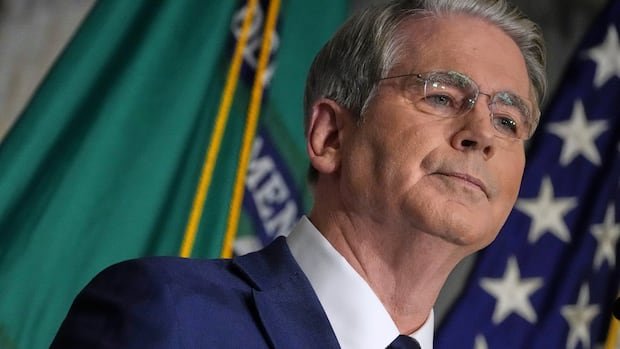

The Trump administration announced an expansion of sanctions against entities and countries maintaining business ties with Iran, intensifying economic pressure on Tehran as the conflict approaches its six-month mark. Treasury Secretary Scott Bessent revealed a new wave of sanctions targeting Iran’s financial connections globally, with the goal of isolating the regime economically. The U.S. Treasury Department identified and targeted networks and channels used by Iran for oil smuggling and sanctions evasion, imposing sanctions on key sectors like digital assets, technology, gold, aviation, and shipping, along with nearly 60 entities, individuals, and vessels.
China, a major buyer of Iranian oil, has faced increased pressure to reduce purchases, but larger Chinese banks facilitating trade have not been targeted yet. Iran responded to the sanctions by warning of possible military actions and threats to oil exports from the Gulf. Iranian officials affirmed readiness to counter U.S. sanctions, indicating a preparedness for economic challenges. The Islamic Revolutionary Guard Corps (IRGC) spokesperson warned of severe repercussions on U.S. interests and energy routes if Iran’s infrastructure comes under threat.
Despite a decrease in heavy fighting, diplomatic efforts to resolve the conflict have stalled, leading to continued blockage of oil and raw material shipments through the Strait of Hormuz, keeping global energy prices high. President Trump’s approval ratings have dropped to 33%, with economic costs deemed necessary to prevent Iran from acquiring nuclear weapons. The U.S. has maintained sanctions against Iran for years, primarily targeting oil revenues, aviation, cryptocurrency activities, weapons procurement, and IRGC-controlled businesses. While the sanctions restrict entities from the dollar-based financial system, Iran has managed to evade them by setting up new front companies and vessels swiftly.