

Termed as an extraordinary El Niño event or a massive El Niño event, the Pacific Ocean warming phenomenon that disrupts worldwide weather patterns has returned with significant impact, coinciding with elevated temperatures in many regions globally.
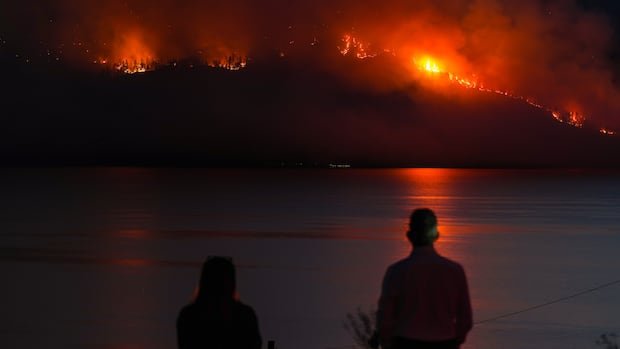
In July, North America and Europe experienced their hottest month on record, leading to numerous heat-related fatalities, dried-up waterways, and extensive wildfires. Canada, for instance, has witnessed over 4.1 million hectares of forests burning, generating dense smoke over vast areas in the eastern half of the country and parts of the northern U.S.
Despite the correlation between this scorching summer and the onset of El Niño, climate experts clarify that the warming event is not directly responsible for the extreme weather occurrences. Nevertheless, they caution that the natural phenomenon may exacerbate the already intense weather conditions influenced by man-made climate change.
-
El Niño’s Arrival Portends Remarkable Impact
-
Europe Confronts Resurfacing Nazi Warships Amid Drought
“El Niño’s effects are anticipated to be extensive and impactful over a vast area,” stated Josh Willis, a climate scientist at NASA’s Jet Propulsion Laboratory.
“Prepare for a tumultuous journey,” he added.
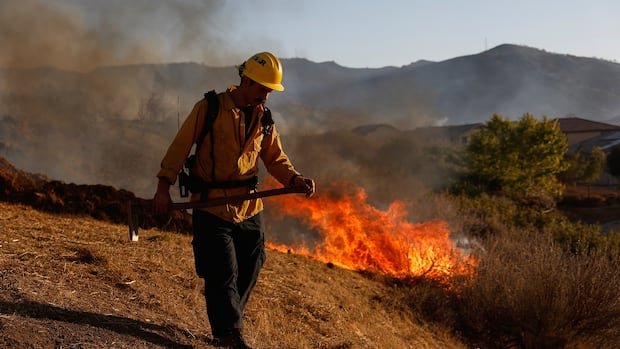
The UN warns that the return of El Niño will raise temperatures this summer, exacerbating climate disasters like droughts and wildfires.
Reversing Weather Patterns
El Niños occur naturally every three to seven years, typically starting in spring and persisting into the following year, as the equatorial Pacific waters warm by at least 0.5°C above average.
Willis explains that this warming heats the air above the ocean and “alters the atmospheric setup.”
“It fundamentally changes weather patterns,” he stated, causing wet regions to dry up and dry areas to receive heavy rainfall.