
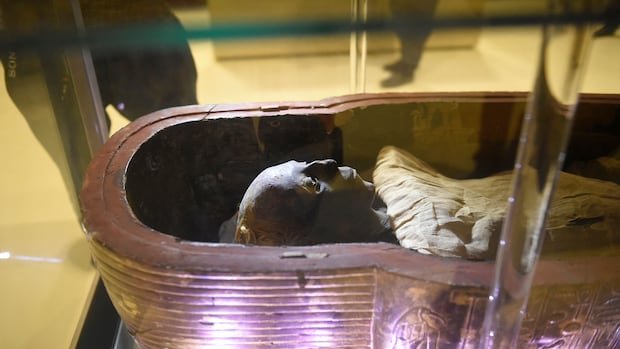

Preserved human remains are being traded online in a global market, a surprising niche hobby that experts warn could pose health risks. According to a study published in the International Journal of Cultural Property, researchers led by Kirsty Squires from the University of Staffordshire in England analyzed 128 web posts from 2015 to 2025 showcasing human and animal remains for sale, including mummified heads, hands, and feet.
Squires, a bioarchaeology professor, highlighted the potential health hazards of handling mummified body parts due to the presence of dormant microorganisms like bacteria, fungi, and yeast. Improper handling could lead to health issues, especially for immunocompromised individuals. The study emphasized the importance of proper storage conditions to prevent deterioration and the release of harmful microorganisms.
Safe Handling Procedures
Images from online posts revealed signs of decay in many remains due to inadequate storage conditions. Unlike in museums where mummies are stored in controlled environments, privately kept remains are at risk of releasing airborne fungal spores and bacteria when handled improperly. Protective equipment, including gloves, should be worn when dealing with mummified remains to minimize health risks.
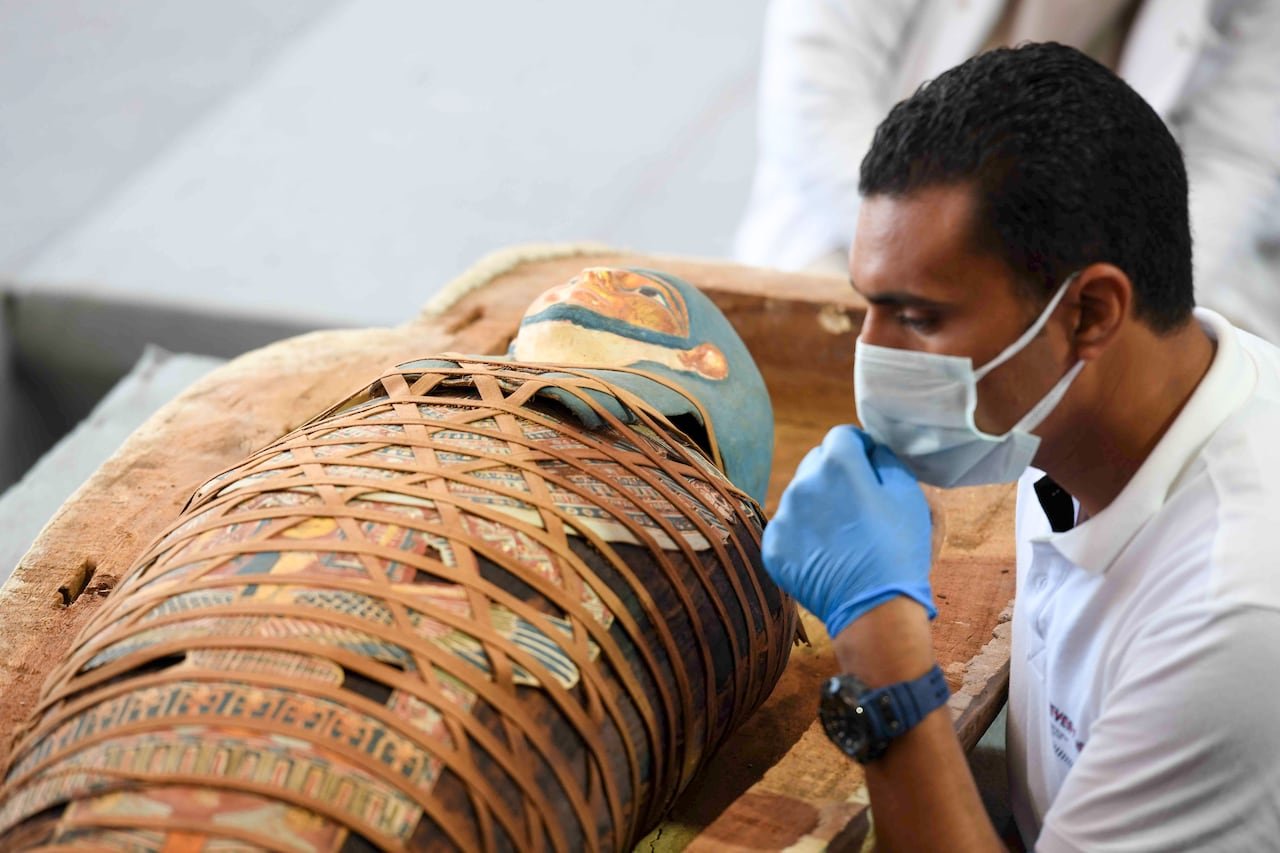
Concerns were raised about the presence of toxic chemicals like arsenic and mercury on some mummified body parts, originating from historical embalming practices. While the study did not report any specific cases of illness from handling human remains sold online, historical incidents of fatal exposure to airborne spores from mummified remains were highlighted.
Ethical and Legal Perspectives
Experts like James Scott from the Dalla Lana School of Public Health in Toronto emphasized ethical considerations surrounding the online trade of human remains. While acknowledging potential health risks, Scott suggested that with proper precautions, the risks could be minimized for collectors. The study also touched on the lack of regulation in the trade of human remains in Canada.
Shawn Graham, a digital archaeology professor at Carleton University, noted the prevalence of online dealers in Canada and the challenges in regulating the sale and purchase of human remains. The study recommended stricter regulations to monitor the trade of human remains and prevent potential health hazards.
Considering the ethical implications of trading in human remains, there have been calls for stricter legislation to ban the online sale of such items. Legislation introduced in the U.K. aimed at prohibiting the online sale of human remains sparked discussions on the need for similar regulations in Canada to address the trade of mummified human remains.
As the debate continues, experts emphasize the importance of ethical considerations and proper handling practices to mitigate health risks associated with the trade of human remains.
Tag: rewrite-done