
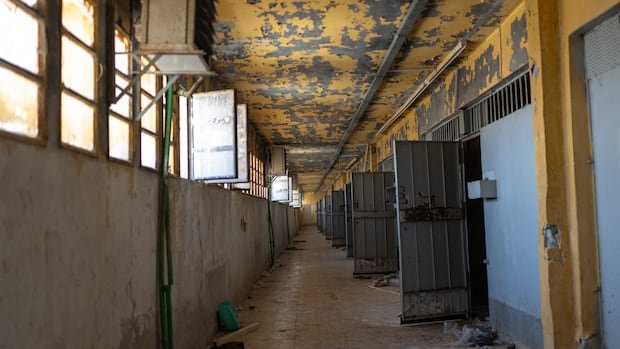

In the depths of a dungeon cell under the rule of Syria’s leader at the time, Bashar al-Assad, an unidentified detainee etched a line of Arabic poetry on the walls – a poignant mix of suffering and affection amidst their anguish. “My homeland, even if it mistreats me, remains precious. My people, even if unkind, are benevolent,” the verse read, originating from a defiant poet who challenged a despotic caliph eight centuries ago.
Within the cold, dim confines of Assad’s prisons, the graffiti etched on the walls echoes with desperation. The inscriptions implore to God and long for loved ones, often shrouded in mystery, capturing fragments of the inner thoughts of nameless individuals enduring torture and impending death.
“Trust no one, not even your kin,” a grim warning adorned a cell wall in Damascus’s infamous Palestine Branch detention center. “Oh Lord, bring solace,” another plea resonated.
Since 2011, tens of thousands of Syrians disappeared into the labyrinthine network of prisons and detention centers managed by Assad’s security apparatus in a bid to quash dissent. Inmates endured years of isolation, confined to overcrowded, lightless cells where fellow captives perished.
The walls bore witness to daily torment and brutality, with mass executions a common occurrence. Most captives likely anticipated their demise, engraving messages destined for future prisoners, unseen by the outside world.
One inmate penned a solitary word in Arabic, “ashtaqtilak” (“I miss you”) – an unsent love note meant for a cherished figure only known to the writer.
Following the insurgents’ liberation of the prisons, The Associated Press ventured through several facilities to observe the haunting graffiti left behind, void of any details about the individuals behind the writings.
Some inscriptions carry names, but many remain undated, leaving their fate unknown. The layers of graffiti stacked upon one another on certain walls tell tales of enduring suffering passed down through generations.
“Don’t grieve, mother. This is my destiny,” read one message dated Jan. 1, 2024. Beneath it, faint remnants of an earlier text hint at unfulfilled longings for a loved one.
Many of the scribblings and sketches serve as cries to parents or beloved ones. A broken heart divided into halves, with “mother” inscribed on one side and “father” on the other, depicted one detainee’s anguish.
Some excerpts feature lines of poetry, like, “When you wage wars, think of those who seek peace,” albeit slightly misquoting a verse by Palestinian poet Mahmoud Darwish. Several prisoners meticulously marked time with makeshift calendars, filling walls with grids of numbers to track the passage of each day.
Amidst the sorrowful messages, a few drawings exhibited whimsical elements, from cartoonish faces with googly eyes to surreal scenes known only to the incarcerated artist. One illustration portrayed a landscape of barren hills and forests where wolves howl at the sky while a bird of prey clasps a hissing snake in its talons.
A prevailing sense of darkness and fear permeates the majority of the graffiti, punctuated by expressions of resilience. “Patience is a virtue, and God is our ultimate source of assistance,” one inscription urged. “God, grant me patience and shield me from despair.”