
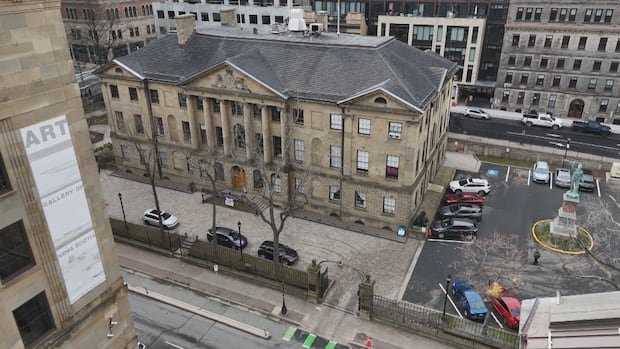

The Speaker of Nova Scotia’s Legislature has enforced temporary bans on 36 individuals following disruptions by protesters earlier this year. The disturbance, which involved singing in the gallery, caused a delay in the final vote on the contentious provincial budget. Subsequently, some protesters engaged in disruptive behavior towards Members of the Legislative Assembly (MLAs) and impeded vehicles from leaving the Province House grounds.
Speaker Danielle Barkhouse took measures to evaluate security by closing off public access to the legislature for a week. She warned that participants in the protest could face bans once identified. Notices of bans are now being issued, with Christine Saulnier receiving one via registered mail.
Barkhouse emphasized that the reason for interrupting legislative proceedings is irrelevant; the key issue is the disruption itself, which warrants consequences. She compared the situation to interrupting a court proceeding or a play, highlighting the necessity of upholding rules within the legislature.
Bans will come into effect on September 1, just before the Legislature resumes on September 8. The length of bans varies based on the individual’s conduct during the protest. Chief Clerk James Charlton explained that those who refused to leave when the gallery was cleared face a three-month ban, while those who disrupted House business face a six-month ban. Additionally, individuals who verbally abused MLAs will be banned for one year.
Despite potential legal challenges, Dalhousie Law professor Wayne MacKay noted that parliamentary privilege grants legislative officials immunity in such situations. However, MacKay emphasized that public opinion remains a crucial factor in assessing the legitimacy of these bans.
The decision to impose bans was made after a thorough review of security footage and data from inside Province House. While Saulnier acknowledged that bans might be warranted in certain circumstances, she questioned the necessity of such severe measures in this case.
The bans have sparked debate on the limits of freedom of expression within the legislative setting and the extent of parliamentary privilege. MacKay highlighted the complexities of balancing these legal principles with public perception.
The Speaker’s decision to implement bans reflects a moderate response compared to potential lifetime bans seen in other jurisdictions like Ontario. The article also touches on other recent news stories in the Nova Scotia region.