
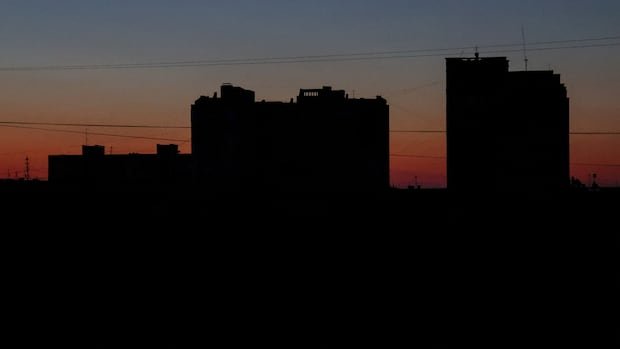

Ukrainian drones caused power outages in the largest city in Russian-controlled Crimea and targeted various facilities in central and southern Russia, according to local officials. This highlights the extent to which Kyiv’s attacks on energy infrastructure have reached. Ukraine has escalated its strikes on Russian oil refineries, depots, and supply routes, leading Russia’s parliament to address the growing fuel shortages in many regions.
Fuel shortages have been particularly severe in Crimea, leading to measures such as early closures for public transport and cafes, as well as dimming street lights to protect the city during nighttime attacks. The Russian-installed governor of Sevastopol emphasized the impact of the latest wave of attacks on power supplies, resulting in the suspension of trolley bus services and advising parents to keep children at home.
In response to the ongoing attacks, efforts are underway to restore power supplies despite Kyiv’s alleged attempts to disrupt normal living conditions and instill panic, as stated by Mikhail Razvozhayev on the Telegram messaging app. The conflict dates back to Russia’s annexation of Crimea in 2014 following protests that ousted Ukraine’s pro-Russian president. While few countries recognize the annexation, Kyiv remains determined to reclaim the territory.
According to Ukraine’s drone forces commander Robert Brovdi, drones targeted the main substation at the Sevastopol power plant in Crimea. In a tit-for-tat exchange, Ukrainian state oil and gas company Naftogaz reported that Russian drone strikes had inflicted significant damage on its gas production and storage facilities in the central Poltava region, leading to some facilities suspending operations.
The impact of the drone activity was also felt in central Russia, where falling debris damaged an industrial facility in the Nizhny Novgorod region, resulting in casualties. The Russian Defence Ministry reported shooting down 323 drones across the country. In Orenburg, drones targeted a gas processing plant and Russia’s only helium plant, causing a fire and prompting assessments of the extent of the damage.
Moscow’s largest oil refinery is expected to be offline for at least six months following extensive damage from Ukrainian drone attacks. This disruption complicates Russia’s efforts to address fuel shortages, particularly in the Moscow region where the refinery is a major supplier. Russian lawmakers approved amendments to the Tax Code to stabilize the domestic fuel market, including measures to allow lower-quality fuel in gasoline production and delay refinery modernization.
Both sides claim they do not target civilians, yet civilian casualties continue to rise. Recent incidents include fatalities in Horlivka and Belgorod regions due to drone attacks, as well as casualties from shelling in Balakliia. The conflict has also seen territorial shifts, with Russian forces reportedly taking control of the village of Ivolzhanske in Ukraine’s Sumy region. Verification of these developments remains challenging.