
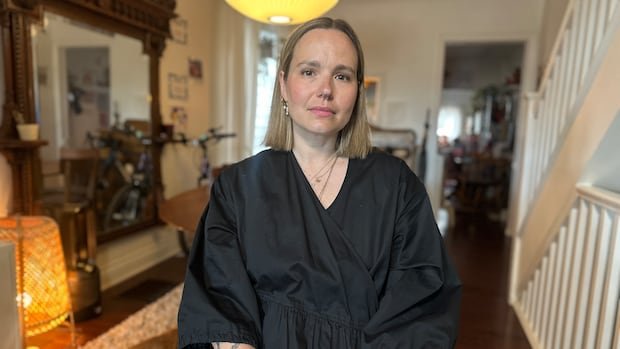

A few years back, Kate Walker sensed something was amiss in her body but struggled to pinpoint the issue within the healthcare system. Despite her concerns, she was repeatedly dismissed with suggestions that she was too young and not at risk, possibly having just hemorrhoids. Eventually, Walker sought private healthcare testing, leading to a stage 3 colon cancer diagnosis at the age of 37.
Expressing her dismay at the challenges she faced in obtaining that crucial diagnosis due to limited accessibility, Walker highlighted the disparity in healthcare privilege for most of the population. Ontario recently announced a reduction in the screening age for colon cancer from 50 to 45 starting July 1, following advocacy efforts by groups like the Canadian Cancer Society. The change is supported by data indicating a higher incidence of diagnosis in individuals under 50 compared to previous generations.
While this adjustment is considered a positive step by patients and advocates who have experienced the loss of loved ones to colon cancer, some, including Walker, believe that lowering the age even further is necessary. Walker emphasized that while 45 is a commendable starting point, there is a need to push for further reduction in the screening age.
Carlito Parra, aged 20, tragically lost his father Nickolas to colon cancer last year. Nickolas, who had suffered from symptoms for over 15 years, advocated for lowering the screening age before his passing. Parra highlighted the missed opportunity for early detection in his father’s case and stressed the importance of timely screenings to prevent such losses.
Ontario’s Ministry of Health clarified that individuals showing signs or symptoms of colon cancer, regardless of age, are eligible for an insured colonoscopy under OHIP. Additionally, those with a family history of the disease or predisposing bowel disorders are also entitled to screening services. The Ministry outlined recommendations for individuals at increased familial risk to commence colonoscopies at age 40 or 10 years earlier than the youngest relative’s colon cancer diagnosis age.
Dr. Sami Chadi, a colorectal surgeon at University Health Network, noted a rising trend in colorectal cancer cases among younger patients over the past decade. He anticipates that further adjustments to the screening age may be warranted based on current observations but emphasized the importance of monitoring the impact of recent changes before making additional modifications.
Chadi stressed the need for enhanced awareness and preventive measures, as some patients may feel hesitant to report symptoms related to bowel changes or blood in their stool. Walker, now cancer-free at 42, echoed the importance of encouraging open discussions about symptoms to increase awareness among young individuals about the risks of colon cancer.
Parra intends to continue advocating for increased awareness and accessibility to screenings in honor of his father’s legacy, emphasizing his father’s inspiring dedication to helping others despite facing his own health challenges.