
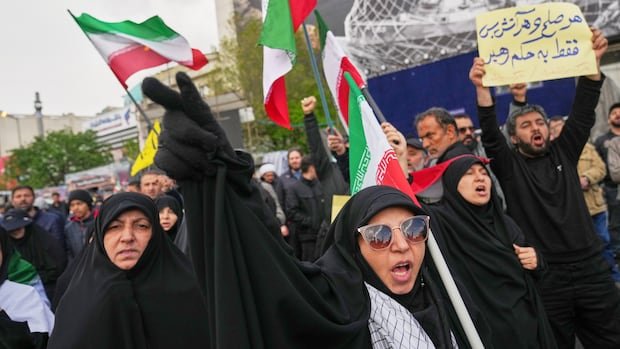

Despite the optimistic view of U.S. President Donald Trump on the potential for a long-term peace deal with Iran, there are significant differences in the visions of both sides regarding a potential agreement.
Trump has characterized Iran’s 10-point plan as a viable foundation for negotiations, but there are uncertainties surrounding its contents and whether it violates U.S. red lines.
According to Iranian state media reports, the plan includes provisions for Iran to retain its uranium enrichment capabilities, safeguard Tehran’s allied extremist groups in the Middle East such as Hezbollah and Hamas, and ensure the withdrawal of U.S. military personnel from bases in the region.
However, U.S. Vice President JD Vance refutes that the plan Trump endorsed is the same as the workable one described.
While the recent Iranian proposal that facilitated the ceasefire brokered by Pakistan remains undisclosed, the U.S.’s 15-point framework presented through intermediaries last month demands Tehran to halt its uranium enrichment program and cease supporting proxy militants, without addressing any U.S. troop pullout, as per various media accounts.
Additional discrepancies between the two parties include the inclusion of Israel’s incursion into Lebanon under the ceasefire and Iran’s authority to levy fees for safe passage through the Strait of Hormuz.
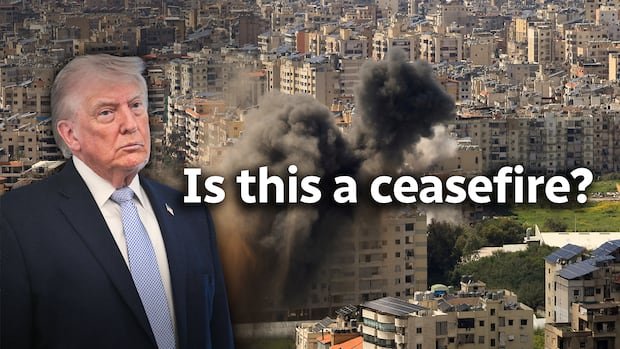
The U.S. and Iran reached a fragile ceasefire agreement hours after President Donald Trump’s threat to destroy Iran’s ‘whole civilization.’ Andrew Chang explains what’s complicating the deal, breaking down the confusion around its terms and the hurdles remaining as U.S.-Israel negotiations with Iran continue.
Images provided by The Canadian Press, Reuters, Adobe Stock and Getty Images
Jennifer Kavanagh, director of military analysis at Defense Priorities, a think-tank in Washington, D.C., expresses skepticism about the likelihood of a lasting peace deal.
“The two plans are fundamentally different,” Kavanagh told CBC News Network on Wednesday. “There is no resemblance between these plans, and merging them seems highly challenging.”
Leavitt views Iran’s proposal as ‘reasonable’
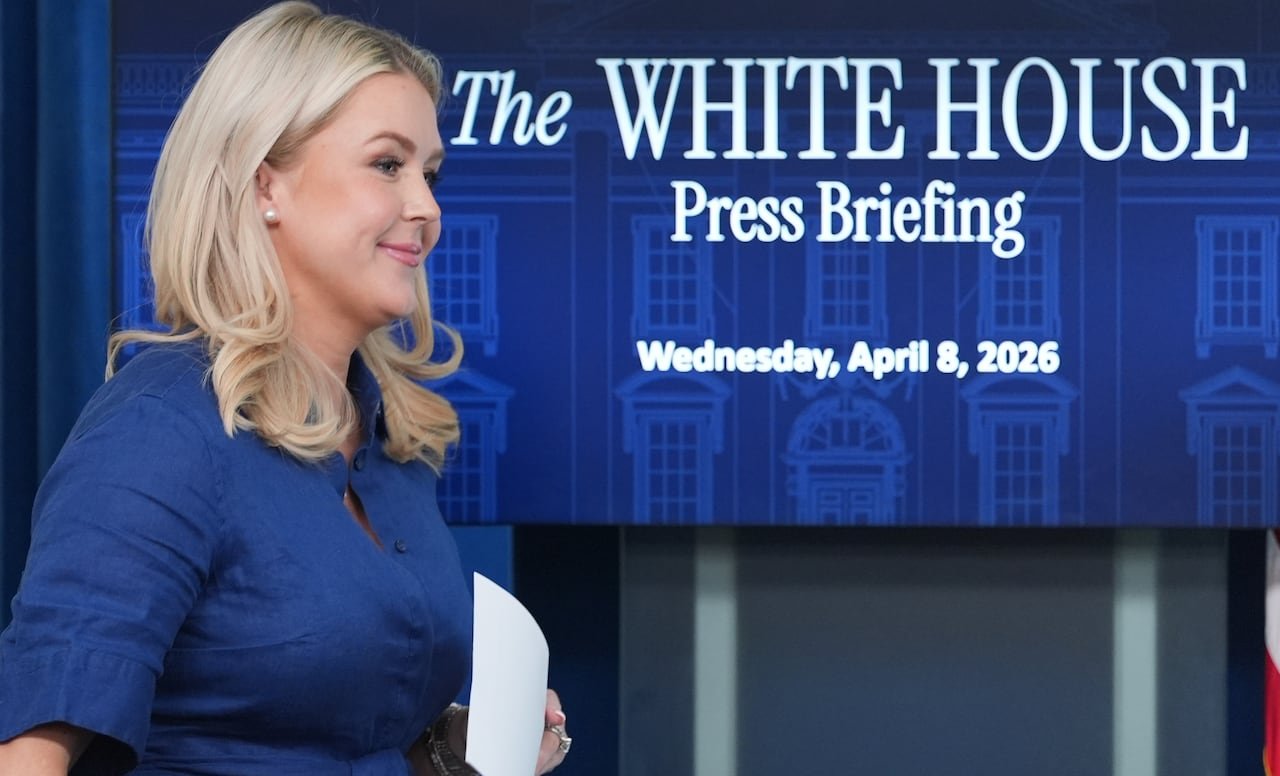
White House press secretary Karoline Leavitt considers Iran’s recent proposal, which led to the ceasefire, as “more reasonable and markedly distinct” from the initial 10-point plan.
“The notion that President Trump would accept an Iranian wish list as an agreement is entirely baseless,” Leavitt stated during a news briefing on Wednesday.
“What Iran publicly states or conveys to the media differs significantly from their private communications with the United States, the president, and his team.”
Here are the key contentious issues likely impeding an agreement to end the conflict.
<figcaption class