
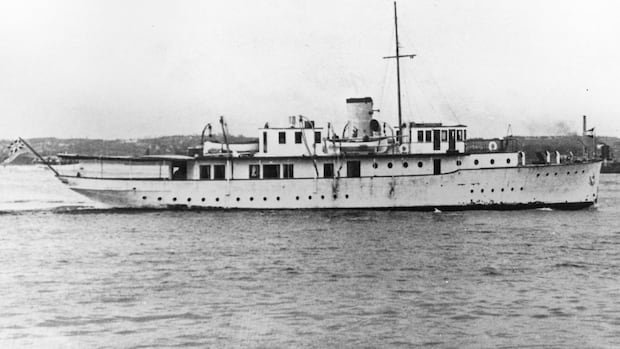

On March 26, 1941, HMCS Otter was on patrol duty outside Halifax harbor during a challenging period for the Allied forces. This was well before the pivotal D-Day invasion in western Europe. The waters were perilous due to German U-boats targeting convoys carrying troops and essential supplies crucial for the war effort.
Halifax played a vital role in facilitating troop movements and convoy departures due to its strategic geographic location. The Otter, 85 years ago this week, scoured the area beyond defensive nets to detect any lurking German submarines and sea mines.
Despite not encountering any enemy vessels at that time, the risk was ever-present, underscoring the importance of the Otter’s mission. The ship faced a tragic turn when a fire broke out, causing it to sink, leading to a harrowing tale of bravery and survival.
Out of the 41 crew members onboard, only 22 managed to survive the ordeal. The incident highlighted the harsh realities of war, although wartime censorship prevented the full details from being disclosed in the local media.
Rescue efforts involved dramatic scenes as crew members battled harsh weather conditions, with some being rescued by a Polish vessel that bravely extended a lifeline to the survivors. Despite challenges, many lives were saved through remarkable acts of courage and determination.
The wartime censorship regime, overseen by journalist-turned-censor H.B. Jefferson, controlled the flow of information to ensure operational security. Editors had to navigate strict guidelines to avoid disclosing sensitive details that could aid the enemy.
The tragedy of HMCS Otter serves as a poignant reminder of the sacrifices made during wartime, with heroic tales of survival and loss unfolding amidst the tumultuous waters off Halifax.