
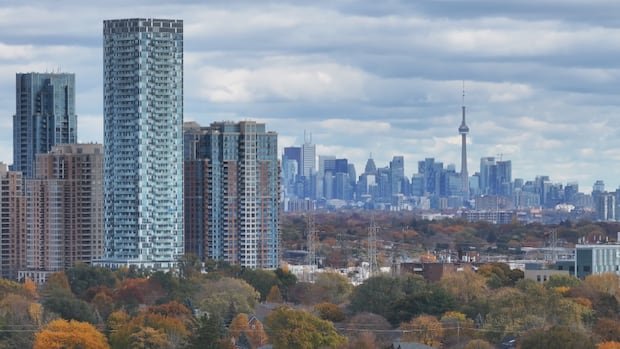

On hot summer days in Toronto, the varying levels of comfort while walking around the city can often be attributed to the presence of trees. The distribution of the city’s tree canopy plays a significant role in determining the heat levels experienced in different neighborhoods, with wealthier areas generally having better access to shade compared to lower-income neighborhoods.
According to Dorsa Jalalian, an associate and senior urban designer at DIALOG, the disparity in tree canopy coverage is closely linked to socioeconomic factors. As Toronto braces for more extreme heat events, studies predict a substantial increase in the number of days exceeding 30 degrees Celsius annually by 2080 compared to the current average.
Efforts are underway to address the inequities in tree coverage across neighborhoods, with a focus on treating shade as essential public infrastructure in the face of climate change challenges. The phenomenon of the “urban heat island effect,” where built-up areas retain and emit heat, further exacerbates temperature differentials within the city.
The city aims to enhance its tree canopy to 40% by 2050, with ongoing initiatives to plant trees strategically in areas lacking greenery. Collaborations with organizations like American Forests and LEAF have led to the development of tools such as the Tree Equity Score Analyzer, which assesses neighborhood tree equity levels and guides planting priorities.
In addition to tree planting efforts, the city has introduced thermal comfort guidelines to improve outdoor living conditions year-round. Nidhi Subramanyam, an assistant professor at the University of Toronto, emphasizes the importance of integrating passive cooling solutions into transit infrastructure to mitigate heat stress for commuters, particularly in vulnerable communities.
As Toronto navigates its changing climate landscape, the collective effort to expand tree cover, enhance urban design, and promote thermal comfort reflects a proactive approach to creating a more sustainable and resilient city environment.