
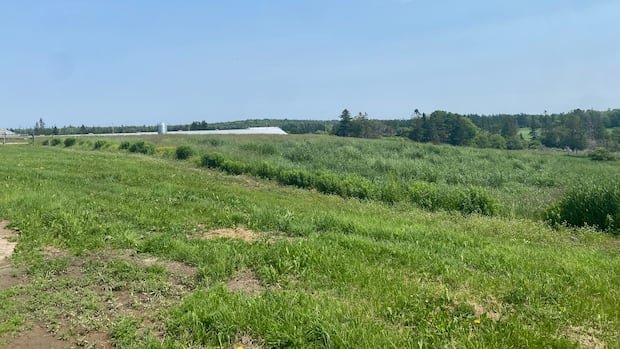

Lorne Quinn has managed Quinn’s U-Pick in Millville, Nova Scotia, for over three decades since 1988. Although accustomed to varying weather conditions, he notes a recent shift towards unpredictable weather patterns. Last summer, a drought led to a 40% decrease in crop yields, while this spring brought continuous rain and cloudy skies, depriving his strawberries and pumpkins of sunlight.
Quinn explained that strawberries require temperatures above 15 degrees Celsius to grow properly, and due to the slow development of the berries, they are currently about 10 days behind schedule. Consequently, the farm had to postpone its traditional Canada Day opening.
Reflecting on the challenging weather conditions, Quinn expressed frustration, stating, “It’s either too hot, too dry, too wet, or too cold; there’s no longer a balanced middle ground.”
Paul Eyking from Eyking Family Farms highlighted the intensification of extreme weather cycles, which previously occurred at intervals of five to ten years but are now happening consecutively. While cold-resistant crops like cabbage and rhubarb are thriving, smaller plants such as beans are lagging. The waterlogged soil has disrupted field maintenance significantly, necessitating constant adjustments to crew schedules.
To cope with these challenges, the farm decided to reduce its overall crop production and invest in advanced solutions, including tractor satellite trackers to identify specific field maintenance requirements. Eyking emphasized, “This technology comes at a considerable cost, but I believe that embracing technology is crucial for the future.”
In response to the changing climate and unpredictable weather, some Cape Breton farmers are shifting away from traditional crop dependency. Will Kosloski and his partner relocated to Judique, Nova Scotia, from British Columbia in 2017 to establish Twisted Roots Farm as an economically and ecologically sustainable venture. They have diversified their operations to include agritourism and educational activities.
At Twisted Roots Farm, they now offer goat walks on their expansive 30-hectare property and conduct workshops on homesteading skills like soap and body butter making, aiming to secure a steady income regardless of weather conditions. Kosloski acknowledged the anticipated impact of climate change, remarking, “We were prepared for this change, but experiencing and witnessing its actual effects is certainly concerning.”