
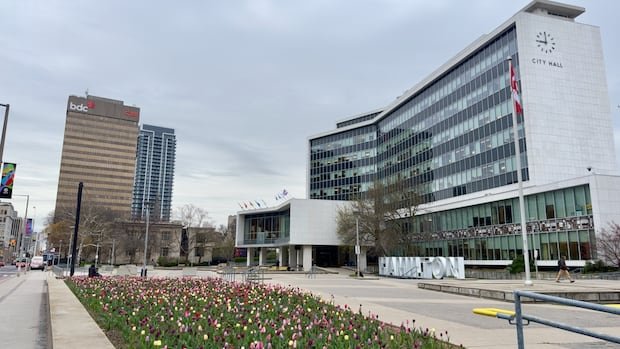

The City of Hamilton is gearing up to introduce its inaugural carbon budget in 2027. This move is part of the city’s commitment to combat global warming by setting limits on its carbon emissions. The initial phase of the budget, set to commence during the 2027 budget process, will focus on specific divisions and capital projects exceeding $250,000, as indicated in a recent city news release. The city’s council approved the proposed carbon budget during a general issues committee meeting held on May 27.
City Manager Marnie Cluckie highlighted in the news release that the carbon budget will provide the city with insights into the environmental impact of its decisions, akin to evaluating financial implications. Additionally, the city is working on a voluntary self-reporting carbon budget process to aid residents, businesses, and organizations in monitoring and reducing their emissions.
Hamilton’s declaration of a climate change emergency in 2019, in response to escalating local climate-related challenges such as heatwaves and flooding, led to the formulation of the Hamilton Climate Action Strategy, which the carbon budget complements. A youth-led initiative proposed by Environment Hamilton in 2023 recommended the implementation of a carbon budget among other measures to reduce the city’s reliance on fossil fuels.
The estimated allowable corporate emissions, encompassing areas like waste management and the city fleet, are projected at 422,000 tonnes of carbon dioxide equivalent, with community-wide emissions estimated at 53 million tonnes. These figures align with the Paris Agreement’s guidelines to limit global warming to 1.5 degrees Celsius, aiming for net-zero emissions by 2050.
The carbon budget will kick off as a pilot program and is scheduled for full implementation by 2030. City staff are expected to provide progress updates later in 2027, detailing the pilot outcomes and recommendations for city-wide adoption.
Residents, including Miriam Sager from Ward 1 and Lucia Iannantuono, a member of the climate change committee, expressed support for the carbon budget during the council meeting on May 27. While emphasizing the public concern over climate change, Sager asserted that nobody doubts its reality. Iannantuono, while backing the budget, raised reservations regarding the efficacy of the corporate carbon offsets and credits policy outlined in the original report, arguing that they are ineffective.
The city’s staff report defends the carbon offsets and credits policy as a vital strategy to achieve net-zero greenhouse gas emissions. The policy proposes balancing remaining emissions in 2050 by purchasing carbon offset credits after all emission reduction avenues have been exhausted. Trevor Imhoff, a senior project manager in the Office of Climate Change Initiatives, mentioned that several third-party companies are involved in evaluating carbon credit projects for potential purchase by the city through a carbon market.