
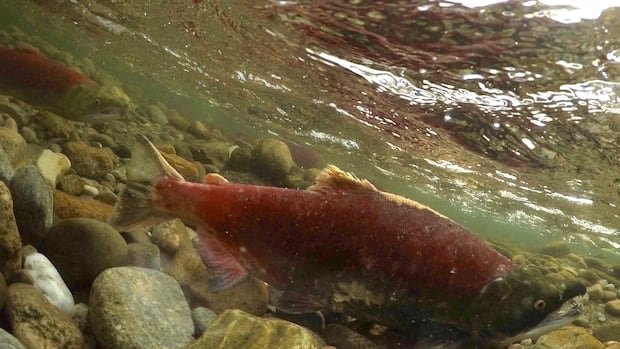

Researchers have highlighted that the reduced snowpack levels on Vancouver Island could lead to added pressure on salmon populations already facing challenges from habitat degradation, overfishing, and warmer temperatures. According to the latest snowpack report released by the province, Vancouver Island currently has snowpack levels at 44 percent of the normal levels as of April 1.
The experts explain that lower snowpack levels will cause the accumulated snow to melt rapidly in the upcoming spring, resulting in decreased water levels and drying pools when adult salmon return to rivers in the fall for spawning. To address these concerns and aid struggling salmon populations, researchers suggest that the province collaborate with local communities to safeguard watersheds and salmon habitats while working towards climate change mitigation efforts.
Aaron Hill, the executive director of the Watershed Watch Salmon Society, warned about the potential risks associated with the low snowpack levels, emphasizing the urgent need for action given the looming warmer temperatures that could exacerbate the situation. The recurring cycle of droughts and floods in the region has already put significant stress on salmon populations, as noted by experts.
Tom Balfour, a habitat biologist with the Redd Fish Restoration Society, expressed concerns about potential die-offs in pools where juvenile salmon congregate during the summer, which could have cascading effects on larger salmon populations. The faster snowmelt resulting from the diminished snowpack levels may significantly impact the salmon’s life cycles as they navigate increased water levels in the spring.
The biologist stressed the importance of advocating for long-term conservation and restoration strategies for watersheds and urged the public to be vigilant for stranded fish and drying pools during the upcoming seasons. Furthermore, John Richardson, a professor at the University of British Columbia, called for collaborative efforts within the forestry industry to preserve trees near smaller streams, providing essential shade to protect salmon vulnerable to predation due to reduced water volumes from lower snowmelt.
Emphasizing the significance of stream shading as a climate-proofing measure, Professor Richardson highlighted its role in moderating stream temperatures, which are crucial for salmon sensitive to warmer waters. With concerns mounting over the impacts of drought on salmon populations, there are calls for enhanced provincial involvement in drought planning and prevention, supporting local governments and First Nations in developing water sustainability plans to mitigate the effects of dry spells.