
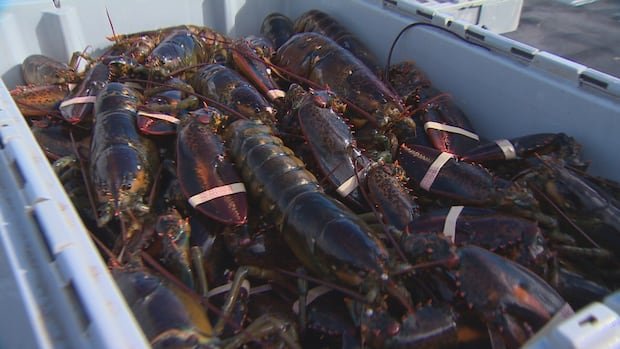

Nova Scotia is welcoming news of a temporary agreement reached with China to halt “anti-discrimination” tariffs on Canadian lobster and crab. The Nova Scotia Seafood Alliance expressed relief at the development, with executive director Kris Vascotto calling it a positive step towards resolving trade barriers that have hindered the province’s seafood sector.
Prime Minister Mark Carney announced the deal, which involves allowing 49,000 Chinese electric vehicles to enter the Canadian market annually in exchange for lifting tariffs on Canadian lobster, peas, canola, and crab. Vascotto highlighted the significant impact of the 25% tariff on lobster exports from Nova Scotia to China, citing a loss of 25-30% in export value due to the imposed barriers.
Speaking from Beijing, Nova Scotia MP Kody Blois emphasized that the agreement signifies the beginning of improved trade relations between the two countries, with ongoing engagement expected in the coming months. Blois stressed the importance of focusing on mutually beneficial areas of cooperation for Canada and Atlantic Canada.
Louisbourg Seafoods Limited, based in Cape Breton, expressed strong support for the trade deal, lauding it as a modernized strategic partnership between Canada and China. The company believes that the tariff relief on lobster and snow crab will directly benefit workers and coastal communities, enhancing competitiveness in the global seafood market.
Looking ahead, Osborne Burke, former president of the Nova Scotia Seafood Alliance, highlighted the need for diversification in trade partnerships to reduce dependence on specific markets. He emphasized exploring opportunities in countries like South Korea, Taiwan, and the Philippines to ensure stability and growth in the seafood industry.
The Fish Food and Allied Workers union in Newfoundland and Labrador welcomed the reduction in trade barriers but sought clarification on whether species beyond lobster and snow crab would also benefit from the agreement. The union emphasized the importance of supporting various seafood products to maximize trade opportunities and economic benefits for the fishing industry stakeholders.