
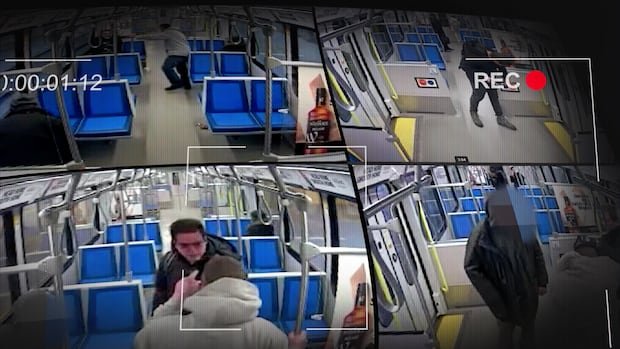

Police are grappling with a surge in violence on transit systems nationwide, with a small group of individuals accounting for a significant portion of these crimes. In Edmonton, the police force reports that 22% of offenders are responsible for almost half of the transit-related crimes. Public transportation expert David Cooper notes a recurring pattern of repeat offenders causing harm within transit spaces, a sentiment echoed by law enforcement who are familiar with these individuals.
Exclusive data from Statistics Canada, obtained by CBC and the Investigative Journalism Foundation (IJF), reveals a drastic increase in Edmonton’s transit-related violent crime rate, more than doubling between 2015 and 2024. This surge is exemplified by a staggering 260% rise in physical assaults during the same period.
Acting Sgt. Scott Nolt from the Edmonton Police Service’s crime suppression branch acknowledges the need for intensified efforts to combat the escalating issue. Nolt points out that while transit peace officers are diligent, their authority and policies limit their effectiveness in addressing these crimes adequately.
A case study involving an assault on Ben Mazor in 2023 sheds light on the severity of the situation. The attacker, a repeat offender with a lengthy criminal history, assaulted Mazor on an Edmonton LRT train, resulting in serious injuries. The assailant, subsequently convicted and jailed for the assault, later faced another assault charge.
Recent data from Statistics Canada underlines a significant uptick in violent crimes on transit systems in various Canadian metropolitan areas. While Edmonton witnessed one of the most substantial increases, there are promising signs of a gradual decline post-2023. However, violent crime rates on transit remain elevated compared to pre-pandemic levels, with the Coliseum LRT station identified as a major hotspot for such incidents.
Edmonton police, accompanied by CBC reporters, conducted patrols targeting repeat offenders known as “frequent flyers” within the criminal justice system. During a 20-minute patrol, three individuals were arrested, two of whom were previously banned from transit due to prior offenses. This enforcement action highlights the ongoing efforts to address the issue of violence on transit.
Local authorities and government officials are actively exploring solutions to curb transit-related violence. Initiatives such as increased police presence, funding for additional law enforcement resources, and potential bail reforms are being considered to enhance public safety. While the debate continues on the efficacy of punitive measures like incarceration versus rehabilitative approaches, the overarching goal remains to ensure a safer transit environment for all passengers.