
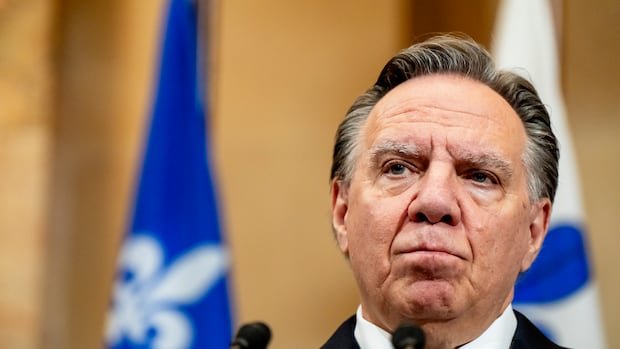

After averting the threat of numerous medical clinic closures and the potential departure of hundreds of doctors, a timely agreement was struck just before the holiday season in Quebec. However, as the dust settles on the deal between the Quebec government and family physicians, questions are arising about the true beneficiaries of the agreement.
Although some clinics have halted their closure plans, concerns are being raised by health policy experts regarding the potential costs to taxpayers and patients due to the government’s concessions on the proposed health reform under Bill 2. Olivier Jacques, a professor at the Université de Montréal’s school of public health, expressed skepticism about the benefits to patients, emphasizing that the status quo is being maintained. Similarly, Prof. Erin Strumpf from McGill University highlighted that little has changed under the new agreement, indicating that access to primary care may continue to be a challenge for Quebec residents.
The agreement, endorsed by doctors overwhelmingly in December, signifies a retreat from the government’s initial reform proposals. Notable changes include the elimination of financial penalties tied to performance quotas, the abandonment of the “colour-coded” patient vulnerability tracking system, and the removal of restrictions on doctors taking unified action. In place of these measures, the government has embraced an incentive-based plan, setting a goal for doctors to register 500,000 new patients by June 2026, including 180,000 vulnerable individuals. The agreement also enhances funding for telemedicine but comes with a hefty price tag of a 14.5% increase in total remuneration, amounting to $435 million.
The Fédération des médecins omnipraticiens du Québec (FMOQ), representing family doctors, hailed the agreement as a commitment to enhancing frontline care. The shift towards a “capitation” payment model, where half of a doctor’s income is based on their patient roster, is seen as a step towards modernizing compensation practices and enabling delegation of tasks to nurses and pharmacists without financial loss.
The immediate impact on the ground has been the preservation of clinics that were facing closure threats. The Tiny Tots pediatric clinic in Montreal and District Medical in Ahuntsic have both expressed optimism about their continued operations following the agreement. However, the full implications of the deal and its impact on patients and healthcare delivery remain to be seen as the final details are ironed out and the agreement is formalized into law.
Former Health Minister Christian Dubé’s resignation following the agreement signals the significant political repercussions of the concessions made by the government. Premier François Legault defended the compromise, touting it as a positive change for doctors, the government, and most importantly, patients. The success of the agreement in delivering the promised benefits to all stakeholders will become clearer once the final agreement is enacted.