
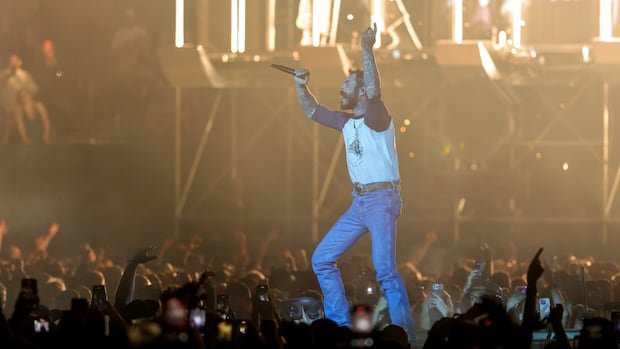

Fans are detecting a phenomenon known as “blue dot fever” among popular music acts, which some attribute to the high cost of concert tickets. This term originates from the blue dots visible on Ticketmaster’s website, indicating unsold seats for upcoming shows. Concert-goers have noted the abundance of blue dots, speculating that this has resulted in concert cancellations or even entire tour cancellations in some extreme cases.
Notable artists like Post Malone, Meghan Trainor, and the Pussycat Dolls have recently called off shows or tours. While reasons for these cancellations vary, fans often link them to the overarching trend of “blue dot fever.” Music publicist and industry expert Eric Alper highlighted the root issue as the increasing ticket prices, compounded by the rising cost of living.
Data from Pollstar reveals a significant 37% surge in ticket prices for the top 100 global tours between 2019 and 2025. Initially, fans were more tolerant of high prices post-COVID-19, driven by their eagerness to attend live events. However, as living expenses escalate, concert-goers are becoming more selective in choosing which shows to attend due to budget constraints.
Veronica Avila, attending a Post Malone show in Toronto, expressed her limitations in affording multiple concerts due to the high costs. Despite some fans turning up for events like Post Malone’s concerts, many unsold seats are still evident, symbolized by persistent blue dots on seating maps.
Post Malone’s decision to postpone the initial leg of his tour earlier this year fueled discussions of blue dot fever. Similarly, the Pussycat Dolls canceled most of their North American tour dates, citing a reevaluation of their reunion tour’s North American leg.
Some fans opt to delay ticket purchases, anticipating price reductions closer to event dates, potentially contributing to the prevalence of blue dots on seating maps. While resale companies report sustained ticket demand, they acknowledge that fans are more discerning in their concert spending choices.
The growing expectation for elaborate productions at concerts has driven up touring costs. Tour manager Jen Ochej emphasized the financial strain on mid-level artists, raising concerns about the affordability of live music events if ticket prices continue to climb.
Despite the financial risks associated with touring, artists heavily rely on live shows for income, especially considering the meager returns from music streaming services. The potential decline in live show profitability may prompt artists to explore alternative revenue sources like licensing their music for media or expanding merchandise sales.
Overall, the “blue dot fever” phenomenon sheds light on the evolving dynamics between artists, concert-goers, and the live music industry, with cost considerations playing a pivotal role in shaping fan engagement and artist sustainability.