
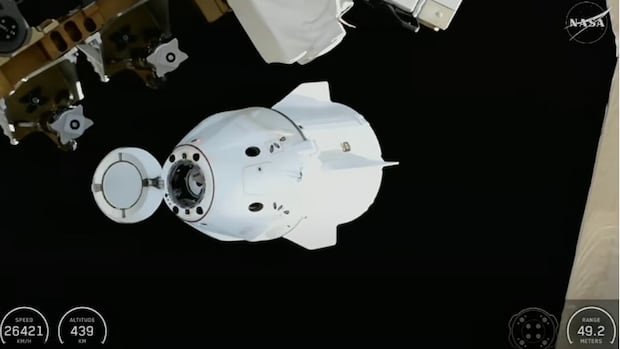

Five astronauts aboard the International Space Station (ISS) sought refuge and prepared for evacuation for approximately two hours due to a deteriorating air leak on Friday. NASA instructed the four Crew-12 mission astronauts, comprised of two Americans, one French astronaut, and a Russian cosmonaut, along with an additional U.S. astronaut, to enter their SpaceX-built Crew Dragon spacecraft docked to the station at 9:04 a.m. ET. NASA later rescinded the evacuation order after assessing the air leak situation in collaboration with Russian space agency, Roscosmos.
Efforts to address a crack on the Russian segment of the ISS have been ongoing for months, causing tension between NASA and Roscosmos. Former NASA chief astronaut Chris Cassidy mentioned that the leak issue has persisted for several years, requiring engineers to devise solutions. Roscosmos reported identifying two leaks on Friday but assured that there was no immediate danger to the crew.
While the first leak was promptly sealed, preparations were underway to address the second leak. The rate of air leakage had increased from one pound to two pounds per day, prompting concerns among officials. The ISS currently accommodates seven astronauts from two missions, including the Crew-12 team who arrived in February.
Roscosmos planned to access the crack causing the air leak using a saw, a method disputed by NASA officials leading to the issuance of safe-haven procedures. These emergency protocols mandate crew members to seek shelter in their assigned spacecraft, considered the emergency vehicle or “lifeboat” for potential returns to Earth. The safe-haven order was later revoked by NASA once Roscosmos paused repair activities.
Safe-haven orders are infrequent on the ISS, primarily triggered by risks such as space debris collisions or air leak fluctuations. Collaboration between NASA and Roscosmos continues to find a permanent solution to the ongoing leaks. Legislation proposing an extension of the ISS’s operational life until 2032 is under consideration by the U.S. Congress to allow for the development of a replacement.