
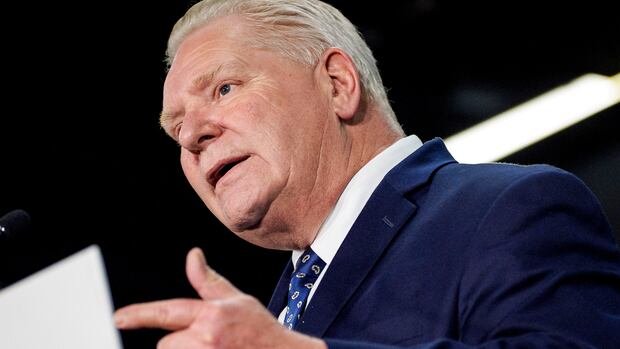

Ontario Premier Doug Ford has urged Canadians to refrain from purchasing Chinese-made electric vehicles following a recent agreement between Prime Minister Mark Carney and Chinese President Xi Jinping. Ford expressed disappointment over the deal, criticizing the lack of prior consultation with him and highlighting potential negative impacts on Ontario’s auto industry. He emphasized the importance of supporting Canadian automotive manufacturers and cautioned against opting for Chinese EVs.
During a joint news conference with industry leaders, Ford, along with officials from various associations, condemned the agreement for potentially disadvantaging Ontario’s auto sector. Brian Kingston, Flavio Volpe, and Lana Payne underscored concerns about the deal’s implications, particularly in light of the reduced tariffs on Chinese EVs and the import quota established as part of the agreement.
Flavio Volpe noted that the initial purpose of imposing 100% tariffs on Chinese EVs was to protect Canada’s domestic electric vehicle investments. The recent agreement, according to Volpe, could destabilize the market for Canadian EV manufacturers and suppliers, potentially impacting thousands of workers and suppliers in the industry.
While Carney has portrayed the deal as an opportunity for Chinese companies to produce affordable electric vehicles in Canada, concerns have been raised about the lack of guarantees for meaningful manufacturing operations in the country. Payne emphasized the challenge of ensuring that any potential investments translate into a robust domestic supply chain and manufacturing presence, given China’s existing EV production capacity and support mechanisms.
Ford and industry representatives have called on the federal government to implement supportive measures to enhance the competitiveness of the domestic auto industry. They stressed the need for initiatives that reduce the cost of investing in manufacturing facilities, equipment, and research and development to counter the challenges posed by the evolving trade landscape, including tariffs imposed by the United States.
In conclusion, the collective appeal from industry stakeholders and Ford underscores the urgency of safeguarding and strengthening the Canadian auto sector in the face of external pressures and market dynamics, emphasizing the importance of concerted efforts to secure a sustainable future for the industry.