
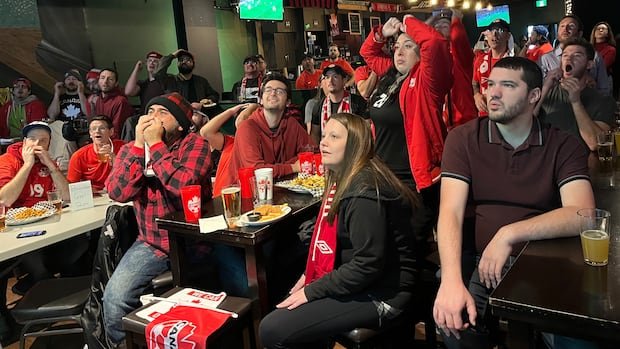

As the World Cup draws in a large number of soccer enthusiasts to the city, local bars and restaurants are eyeing the tournament as a lucrative business opportunity. However, they must be cautious in their marketing efforts to avoid infringing on FIFA’s stringent intellectual property guidelines, which could lead to legal action.
To understand FIFA’s branding regulations, CBC News reviewed the organization’s intellectual property guidelines and hosting addendum with the city. According to these guidelines, commercial establishments that are not licensed partners are prohibited from using terms like “FIFA” and “World Cup” in their marketing materials. Additionally, using trademarked images such as the official World Cup trophy is also restricted.
Cheri Bradish, a sports marketing professor at Toronto Metropolitan University, explained that these restrictions are common for major sporting events to uphold the integrity of their official partners who have invested substantial amounts to be associated with the tournament. FIFA’s official partners include companies like Coca-Cola, The Home Depot, and Adidas.
Despite the limitations, businesses and the public can still show support for the tournament by using generic football or country-related imagery and terms. Toronto will host six FIFA matches at Toronto stadium, which has been temporarily renamed to comply with branding rules. Stricter regulations will be enforced on match days and leading up to the games, including the establishment of “clean zones” around stadiums and Fan Fest locations to restrict unauthorized commercial activities.
Within these clean zones, businesses are prohibited from promoting brands that may compete with FIFA or its partners. For instance, tour guides cannot display company logos at the stadium, and non-sponsor brands like Burger King cannot advertise in these designated areas where official sponsors like McDonald’s have exclusive rights.
To ensure compliance with FIFA’s intellectual property rights, the city of Toronto plans to implement a combination of educational outreach and bylaw enforcement during the event. Local businesses are encouraged to follow the rules to avoid any legal repercussions.
Despite the challenges posed by copyright regulations, some Toronto establishments are devising creative strategies to attract visitors without infringing on FIFA’s branding rules. For instance, Sneaky Dee’s bar is finding ways to promote its World Cup offerings without using specific tournament language. Cafe Diplomatico, an Italian restaurant, has partnered with official sponsors to use their logos in compliance with FIFA guidelines.
While navigating FIFA’s strict branding regulations may be overwhelming for small businesses, compliance is crucial to ensure the protection of the tournament’s sponsors’ investments. The FIFA World Cup is a globally significant event, and sponsors play a vital role in its success.