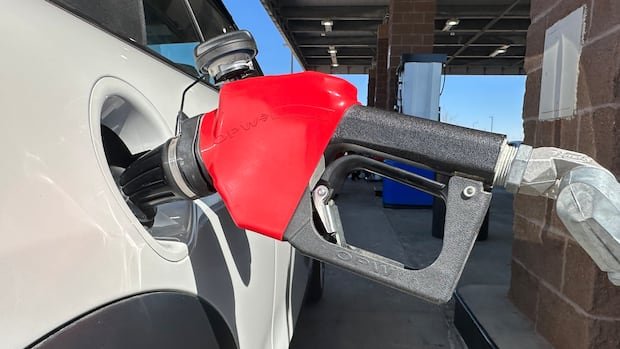

Gasoline prices inch closer to $2 per litre in Canada, while diesel hovers near $2.50, causing financial strain on drivers amidst the escalating global energy crisis fueled by the ongoing Iran conflict.
The turmoil in the Strait of Hormuz persists, disrupting approximately 20% of the world’s oil and natural gas distribution to global markets. This disruption has prompted various nations to implement measures such as remote work mandates, shortened workweeks, and university closures to conserve fuel.
Countries worldwide are grappling with the repercussions, with the Philippines declaring a national energy state of emergency due to doubled local fuel prices and dwindling oil reserves. However, Canada, being a significant energy producer, is relatively shielded from the crisis compared to many other nations facing severe price hikes and shortages.
While Canadian consumers are facing challenges at the pumps and potential inflation spikes, the country’s energy abundance provides a level of protection. Warren Mabee, from the Institute for Energy and Environmental Policy at Queen’s University, highlighted that despite global turmoil, Canada is unlikely to face oil shortages.
The impact in Canada primarily manifests in rising fuel costs, with gasoline prices surging by 30% over the past month and diesel by 38%. Additionally, furnace oil prices have surged by approximately 30% since the Middle East conflict began, potentially leading to increased inflation and global economic downturn.
Canada, as the fourth-largest oil producer globally, relies heavily on oil exports and possesses numerous refineries, mitigating the risk of fuel shortages. However, as oil is a global commodity, Canadians are experiencing heightened prices due to global market dynamics.
Conversely, natural gas prices in Canada have remained stable as compared to Europe, where prices have doubled. Mabee explained that the slower-moving natural gas market, with limited export facilities, contributes to the price stability within Canada and the U.S.
Countries heavily reliant on fuel imports envy Canada’s energy self-sufficiency and diverse energy sources like solar, wind, hydroelectricity, and nuclear power. At a recent energy summit in Texas, an executive from India’s Cairn sought partnerships to boost India’s oil production to reduce its import dependency.
For now, Canada maintains a steady fuel supply despite escalating costs, but the prolonged energy crisis, coupled with the Iran conflict, is expected to deepen both globally and within Canada.