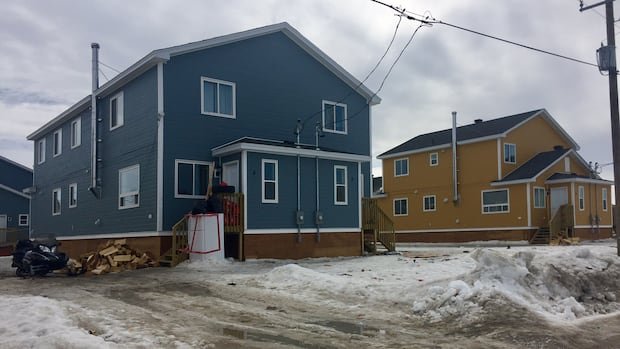

Residents of a remote First Nation in northern Ontario are facing escalating challenges as authorities make arrangements to evacuate them due to water issues. Chief Hosea Wesley of Kashechewan First Nation declared a local emergency when the community’s water treatment plant fell into disrepair. The Cree community, home to approximately 2,300 people along James Bay Coast, is struggling to obtain an adequate supply of bottled water.
The situation worsened in early December when the water treatment plant’s pumps malfunctioned, preventing the proper mixing of chemicals for water treatment. Subsequently, the intake system at the wastewater treatment plant also began to fail. In response, community leaders requested military assistance during a discussion with Indigenous Services Canada to facilitate a comprehensive evacuation to cities in northeastern Ontario like Timmins and Kapuskasing.
As part of the evacuation efforts, several flights were chartered to transport vulnerable individuals from Kashechewan to designated locations. Despite these initial actions, plans for evacuating the entire community are still in progress. Indigenous Services Canada engaged the Loomex Group, a provincial contractor, to manage the evacuation of 500 individuals to Timmins and Kapuskasing.
Tyson Wesley, the executive director of Kashechewan First Nation, highlighted the urgency of the situation and emphasized the need for swift and effective responses to ensure the well-being of residents. Timmins Mayor Michelle Boileau confirmed the city’s readiness to accommodate evacuees with medical requirements, including access to the local hospital.
Efforts are also underway to address the issues at the water treatment plant, with workers dispatched to initiate repairs. The goal is to resolve the situation promptly and restore essential services to the community. This evacuation is part of a recurring pattern for Kashechewan, as the community faces flood risks during the spring thaw due to its location on a flood plain along the Albany River.
Discussions about relocating the First Nation to a safer area have been ongoing for years, with previous commitments to complete the move by 2029. However, uncertainties remain regarding the timeline under the current government. Despite past funding approvals for relocation planning studies, challenges persist, underscoring the immediate need for sustainable solutions to safeguard the community’s well-being.